
In a scene straight out of an adventure movie, smoke billowed and flames leaped into the sky from the tourist boat named Kalae, transforming an ordinary Tuesday into an unexpected spectacle along the Chao Phraya River in the historic heart of Ayutthaya. Picture this: a serene journey turned thrilling escape, all set against the backdrop of Ayutthaya’s awe-inspiring ancient ruins. It was a moment captured in dramatic photographs that quickly lit up social media, thanks to the quick-thinking Ayutthaya rescue unit. The day had begun like any other, with the Kalae setting sail on a voyage of discovery, its deck filled with eager tourists, their eyes alight with anticipation of the historical wonders waiting to be unveiled along the river’s winding path. Among the 24 souls onboard were five adventurous children, their laughter mingling with the river’s whispers. Completing the crew were two seasoned navigators, ready to guide their passengers…
THAI.NEWS - Thailand Breaking News

In the ever-twirling carousel of politics, whispers of a Cabinet reshuffle have been buzzing through the corridors of power, with Srettha at the helm, steering the ship amidst choppy waters. The air is dense with speculation and rumor, but Srettha, in a deft move reminiscent of a chess grandmaster, quashes these murmurs with the silence of uncertainty. Yet, those in the know hint at a game of musical chairs that could redefine the political landscape. At the heart of this political ballet is the Finance portfolio, a jewel in the crown that is said to be destined for the grasp of Pichai Chunhavajira, a man as seasoned in the art of finance as he is in the subtleties of power. Pichai, not just any adviser to the PM, but one whose resume reads like a list of coveted relics—former director of the majestically operative Bank of Thailand, a guiding star…

Imagine this: You’re comfortably seated, possibly sipping a warm cup of coffee, as your flight gently cruises through the beautiful blue sky from either Seoul or Osaka to the vibrant city of Bangkok. Suddenly, the hum of the engine stutters into an unsettling silence. For passengers aboard two specific flights, this wasn’t just a figment of imagination—it was a startling reality that led to an unexpected adventure in Hong Kong. Flight XJ701’s Unscheduled Detour It was a standard Sunday when Flight XJ701, bustling with 289 eager passengers and a dedicated crew of 11, embraced the skies from Seoul. The journey, destined for the bustling atmosphere of Suvarnabhumi International Airport in Bangkok, took an abrupt turn as the aircraft whispered hints of distress. The engine, a critical heartbeat of the metal bird, showcased a malfunction, compelling an emergency descent into Hong Kong’s embrace in the small hours of the night. What…
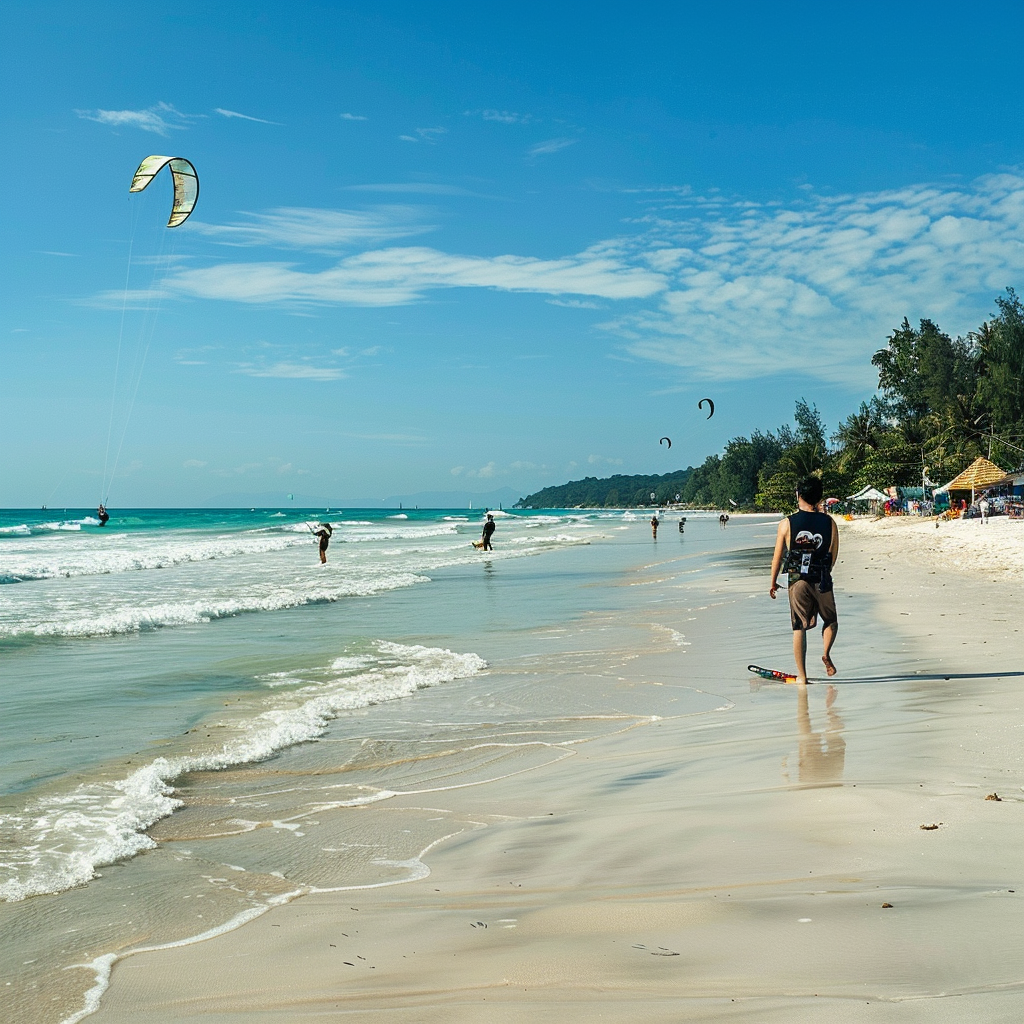
Imagine a scene straight out of a tropical adventure, with a plot twist that involves the law, the spirit of entrepreneurship, and the dream of making a living in paradise. This isn’t your average day on the beaches of Koh Phangan or the bustling streets of Phuket. It’s a tale of three daring expatriates, each with a unique story, caught in the gentle yet firm grasp of the Thai police for pursuing their passions without the necessary paperwork. First, let’s set the stage on the pristine sands of Koh Phangan, where the azure waves meet the sky in a never-ending dance. Here, we find a Canadian kitesurfing instructor, a maestro of the wind and waves, caught in a moment of tranquility as he gathers his gear. The serenity is broken by the approach of a police officer, not with malice, but with a duty to uphold the law. The instructor,…
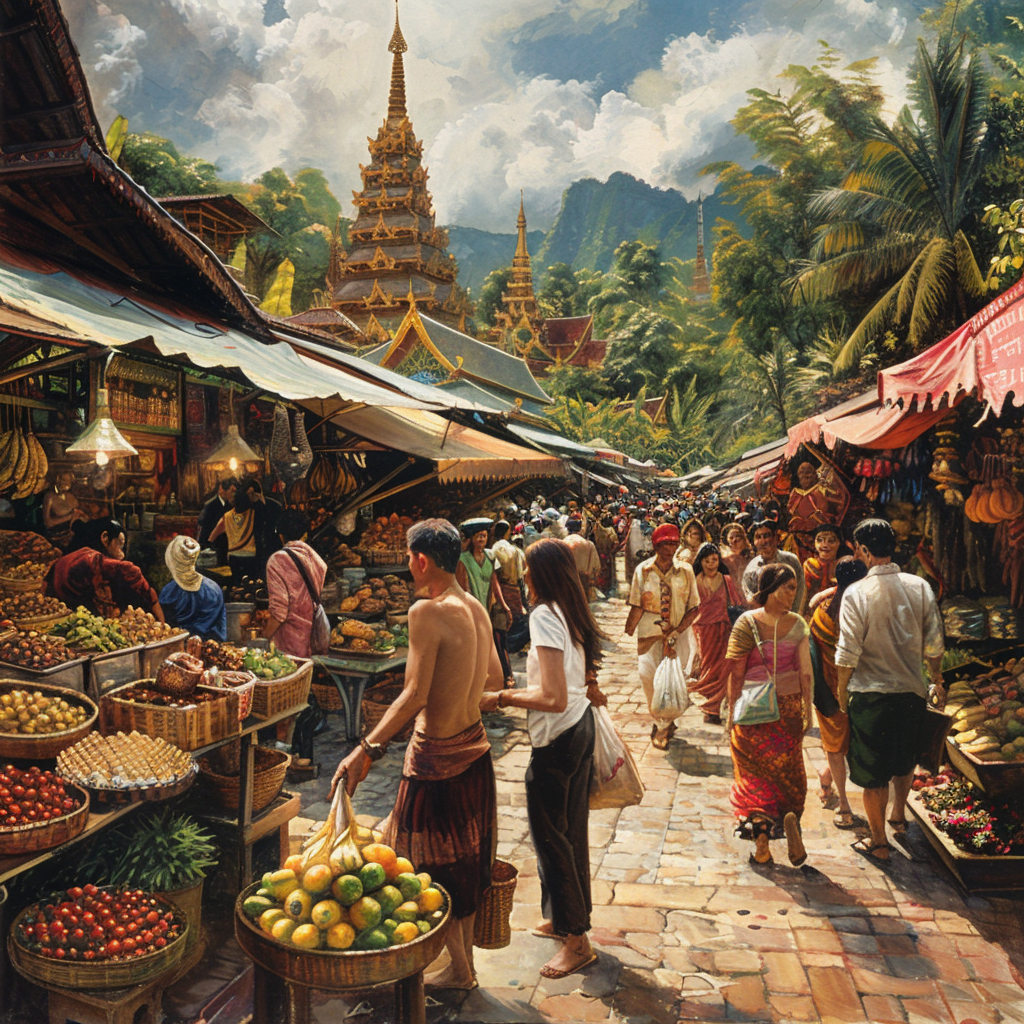
Imagine a flood of excitement and cultural exchange generating a staggering 518.04 billion baht in a single swoop – that’s the incredible impact tourists have had recently. Leading this vibrant procession into the heart of adventure and exploration were visitors from across the globe, with the nations of China, Malaysia, Russia, South Korea, and India painting the town in hues of diversity and enthusiasm. The intrigue deepens as we delve into the specifics, with China steering the crowd with an impressive 2,031,552 travelers. The treasure trove of experiences awaiting these adventurers in bustling marketplaces, serene temples, and lush jungles is unmatched. Not far behind, Malaysia makes a strong showing with 1,391,057, their spirits high and ready to embark on a journey of discovery. Russia, South Korea, and India follow suit, their combined numbers weaving a rich tapestry of stories and memories. The radiant Tourism and Sports Minister, Sudawan Wangsuphakijkosol, illuminated…

As the dawn’s first light stretched its golden fingers over Bangkok, a bustling metropolis known for its vibrant street life and enchanting tourist havens, the city sprang to action in an unparalleled cleanup operation. Led by the indomitable spirit of Chatree Watanakhejorn at the helm of the BMA’s Songkran situation monitoring centre, a dedicated team gathered at the majestic BMA City Hall. It was a crisp Tuesday morning at 9.30 am when they convened, their mission clear and determination unwavering. The night had been long, and the streets of Bangkok, especially the illustrious Khao San Road, a melting pot of culture and festivity, witnessed a flurry of activity. Workers toiled through the night, ensuring that the remnants of celebration were swept away, restoring the roads to their pristine condition. The task was monumental, yet the spirits of those involved were unbreakable, their efforts a testament to the city’s resilience and…

Imagine a paradise where the sun kisses the ocean, and the sands are as soft as whispers – welcome to Krabi, a jewel of Thailand that enchants with its beauty but is now facing a challenge as daunting as a villain in a thrilling novel. Our protagonist in this unfolding drama is Thanawat Phukaoluan, a figure who has recently stepped into the harsh spotlight, not for political gains but to sound the alarm on a crisis threatening to parch this paradise – a severe water shortage. As the story unfolds, Thanawat, a name previously associated with the hustle of political ambitions, has become the voice of urgency, revealing the nerve-wracking scenario of Krabi’s dwindling water supplies. The provincial waterworks, a body that once flowed with the promise of hydration, has now been cornered into making a grim announcement: water distribution will be a luxury available only every other day, starting…
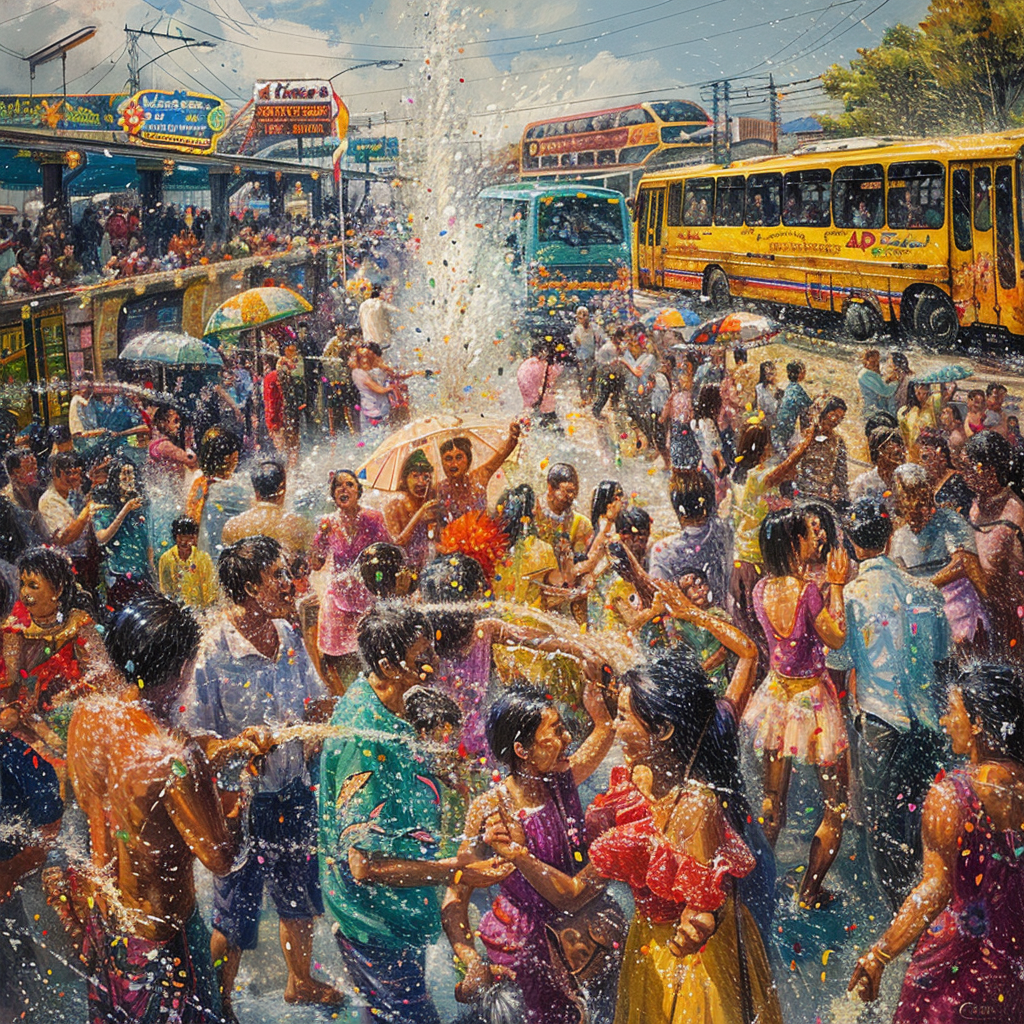
As the sun sets on April 15th, the vibrant and joyous festivities of the Songkran Festival, also known as the Thai Traditional New Year, come to a nostalgic close. This is a time when the air is thick with the spirit of merriment and the lands of Thailand become a thriving mosaic of people embarking on heartfelt journeys back to their roots for cherished family reunions. On a particularly bustling Monday, the rhythm of travel beats louder with 6,689 outbound voyages recorded by public conveyances, commandeering the attention of 43,189 passengers sprinting upcountry. A staggering number, nearly touching the 100,000 mark, were serenaded by the wheels of interprovincial buses and vans, each carrying stories home. The mantle of orchestrating this massive movement rested on the shoulders of Transport Co’s acting president, Atthawit Rakjamroon, who was a man on a mission. Preparing additional buses and vans was not merely an administrative…

Welcome to the latest buzz sweeping through the Land of Smiles, where a vibrant scheme is poised to sprinkle a dash of digital magic into the wallets of millions, and quite possibly, put a spring in the step of the local economy. We’re diving deep into the heart of a financial fiesta that’s got everyone from tuk-tuk drivers in bustling Bangkok to the rice farmers in the serene Thai countryside talking. Imagine waking up to find that your digital wallet feels a tad heavier, thanks to a generous sum of 10,000 baht, just waiting to be spent at your favorite local haunts. This isn’t a dream, but a reality for those Thais 16 and older, earning less than 70,000 baht monthly and whose bank balances shy away from crossing the 500,000 baht mark. This grand gesture, with a price tag waving around the 500 billion baht mark, isn’t just an…

Imagine the vibrant streets of Samut Prakan transformed into a canvas of colours and laughter, where the Songkran festival brings people together in a joyful celebration of water fights and good spirits. It’s a scene straight out of a postcard, enticing both locals and travelers to dive into the festivities that mark the Thai New Year. However, amid the revelry, a distressing incident unfolded on Monday night, casting a shadow over the otherwise jubilant occasion. As captured by the lens of the Survive Facebook page, a troubling scene came to light: a woman was molested during the blissful chaos on Praekasa Road, between the hours of 8 and 9 pm. The victim, alongside the vibrant bursts of water and the playful smearing of talcum, experienced an unwelcome and unsolicited encounter. A man, seizing the opportunity amidst the throng of celebrators, applied talcum to her face before crossing the line into…