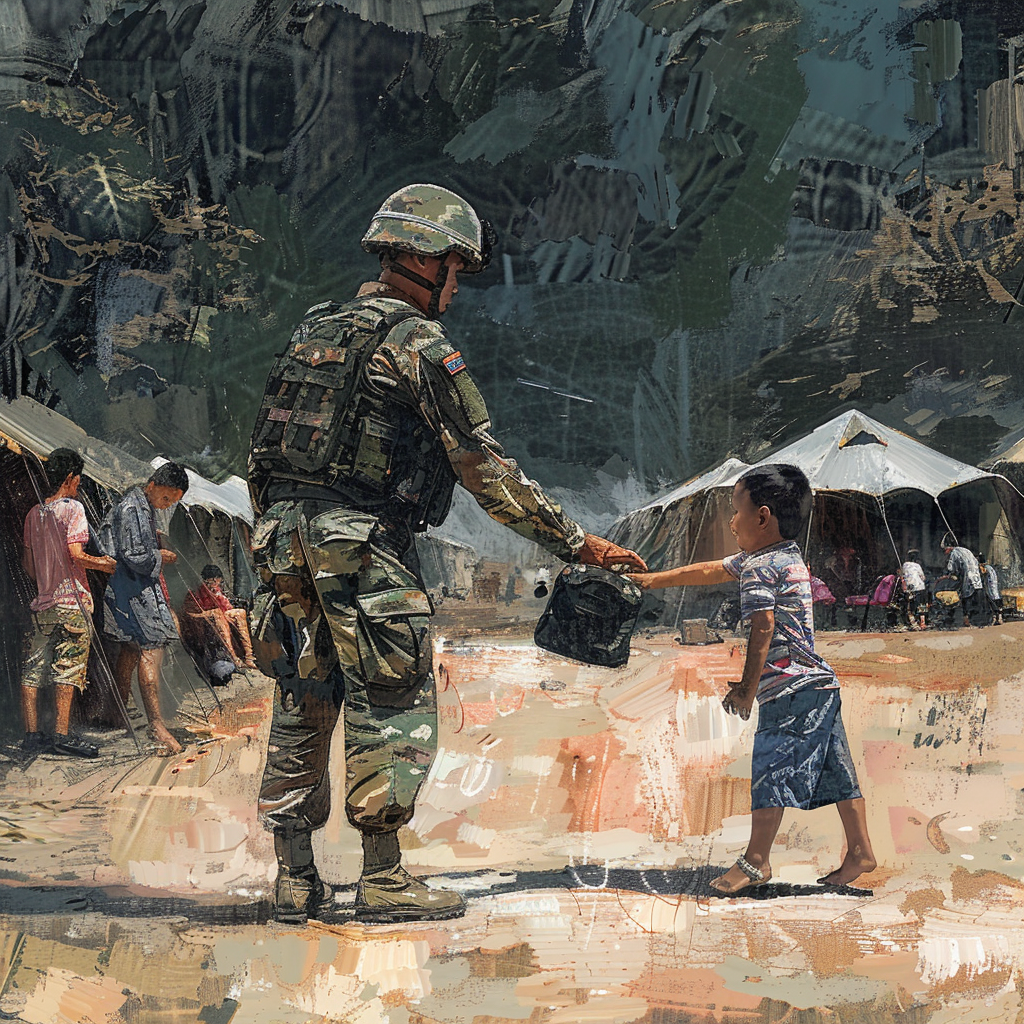
In the heart of Southeast Asia, a touching tableau unfolds as the gentle hues of humanity brush against the canvas of conflict. A Thai soldier, embodying the spirit of compassion, extends a warm greeting to a child – a tender emissary from the turmoil-laced landscapes of Myanmar. This child, along with approximately 1,200 souls seeking solace, finds shelter in the embrace of Mae Sot district, Tak province. The scene, captured on a Saturday not long past, paints a vivid picture of hope amidst despair. The Royal Thai Army, in a moment frozen in time, captures this interaction, a testament to Thailand’s unwavering commitment to providing sanctuary. (Photo: Royal Thai Army) As tensions simmer and boil across the Thai-Myanmar frontier, the Thai military and local authorities ramp up their guardianship of the borderlands. Their mission? To extend a helping hand to the people of Myanmar in dire need of humanitarian aid,…
THAI.NEWS - Thailand Breaking News
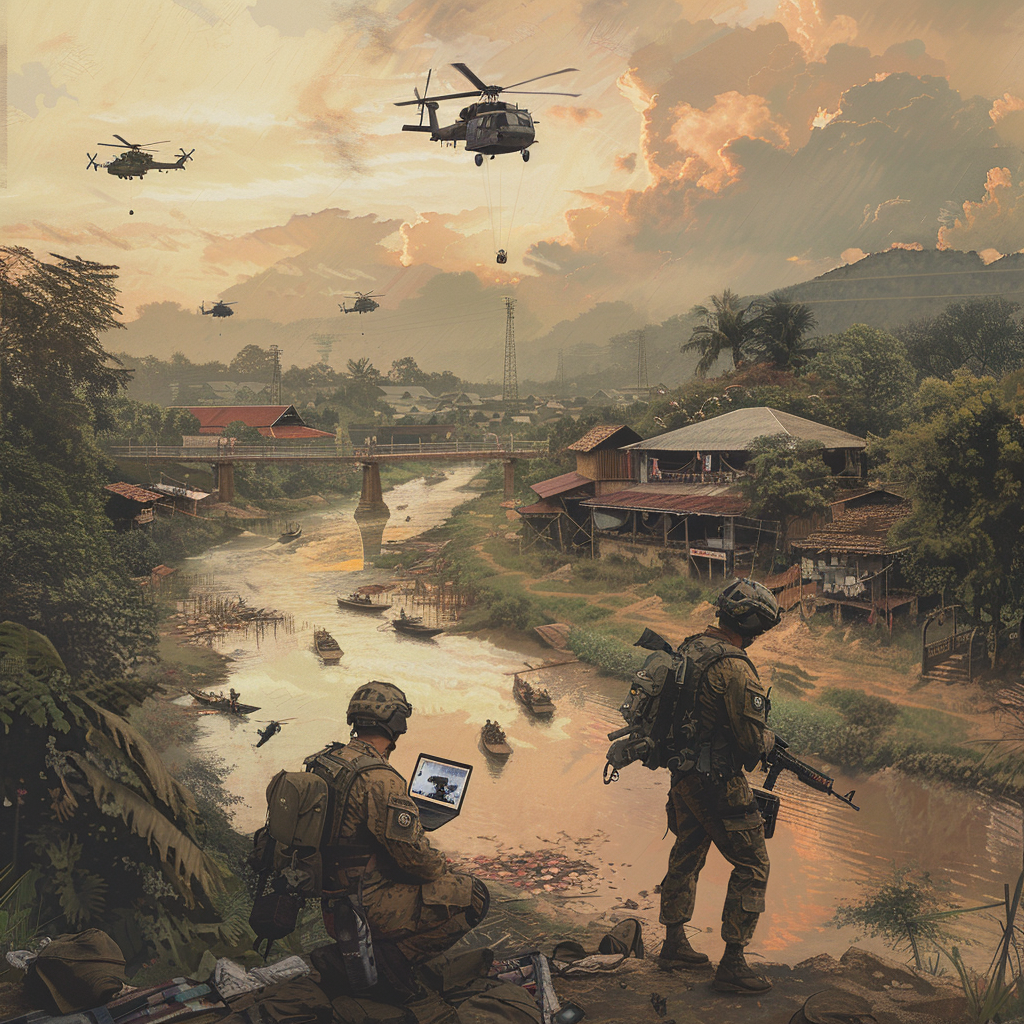
Imagine the serene tranquillity of the Thai-Myanmar border, juxtaposed with a narrative that unfolds like a dramatic screenplay. As the sun sets on a Friday evening, a tale of urgency and survival begins to emerge, involving thousands of individuals caught in the throes of conflict. The setting is the Myanmar side of the Second Friendship Bridge, opposite the Mae Sot district in Tak province. A standoff between anti-government factions and the formidable Myanmar military has sparked a mass exodus, compelling refugees to seek sanctuary from the unforgiving clutches of war. Their destination? The relative safety of Thailand, a nation poised on the brink of pivotal decisions. Enter a concerned observer, Srettha, whose fingers dance over the keyboard as he shares updates on X (formerly known as Twitter). His posts, filled with a blend of concern and hope, paint a vivid picture of the clashes raging near the Second Friendship Bridge…
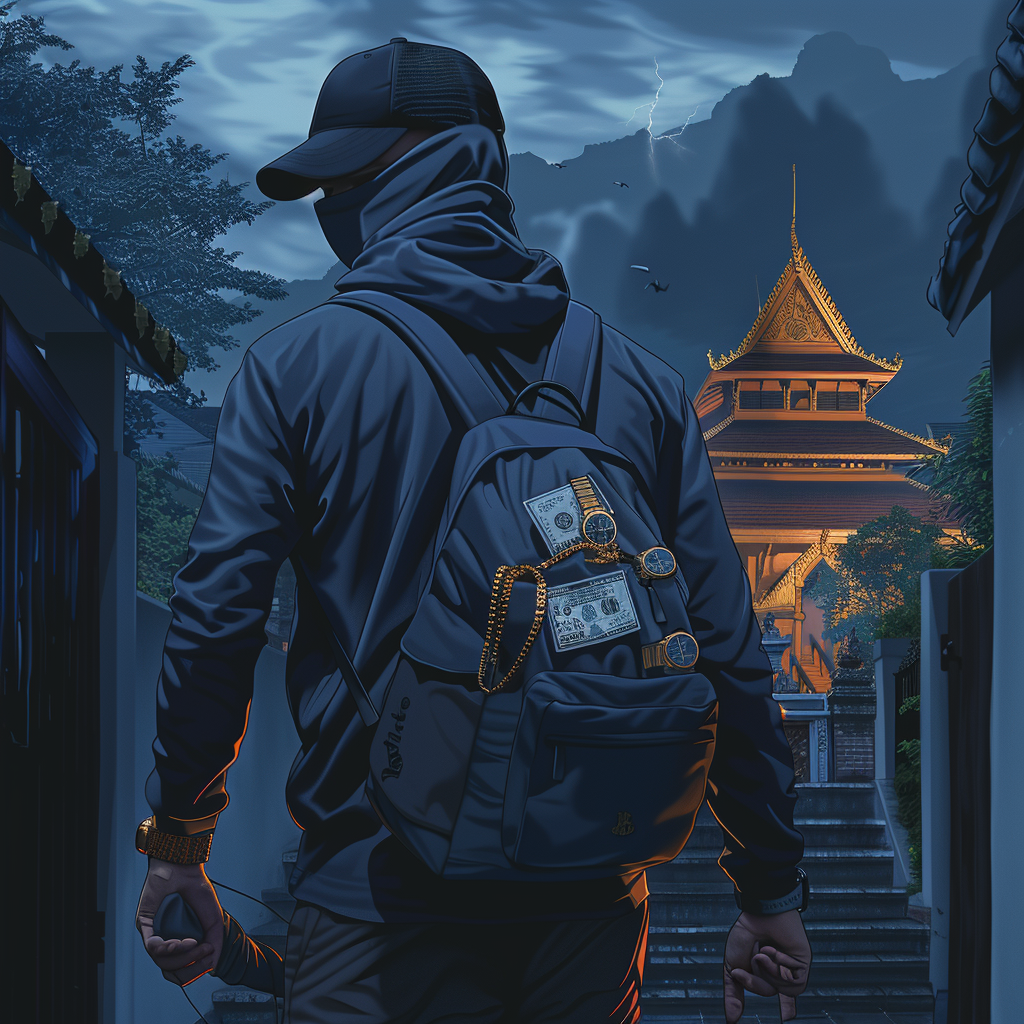
On a seemingly ordinary day, March 13, beneath the sweltering heat of Samut Prakan province, an audacious robbery unfolded within the tranquil confines of a home in the Bang Phli Yai subdistrict. The daring bandit executed a heist so brazen, it seemed ripped right from the pages of a high-stakes thriller novel. The plunderer, with a penchant for the finer things in life, made away with an eye-watering haul of luxury watches, diamond rings, gold bracelets, a hefty sum of cash, and, in an unexpected twist, four CCTV cameras—presumably to erase any trace of his intrusion. The value of the loot? A staggering sum north of 100,000 baht. But our villain didn’t just waltz in and out unnoticed. Thanks to the remaining surveillance footage, the police sketched a picture of the culprit—a man shrouded in mystery, clad in a black cap, a mask veiling his face, attired in a long-sleeved…
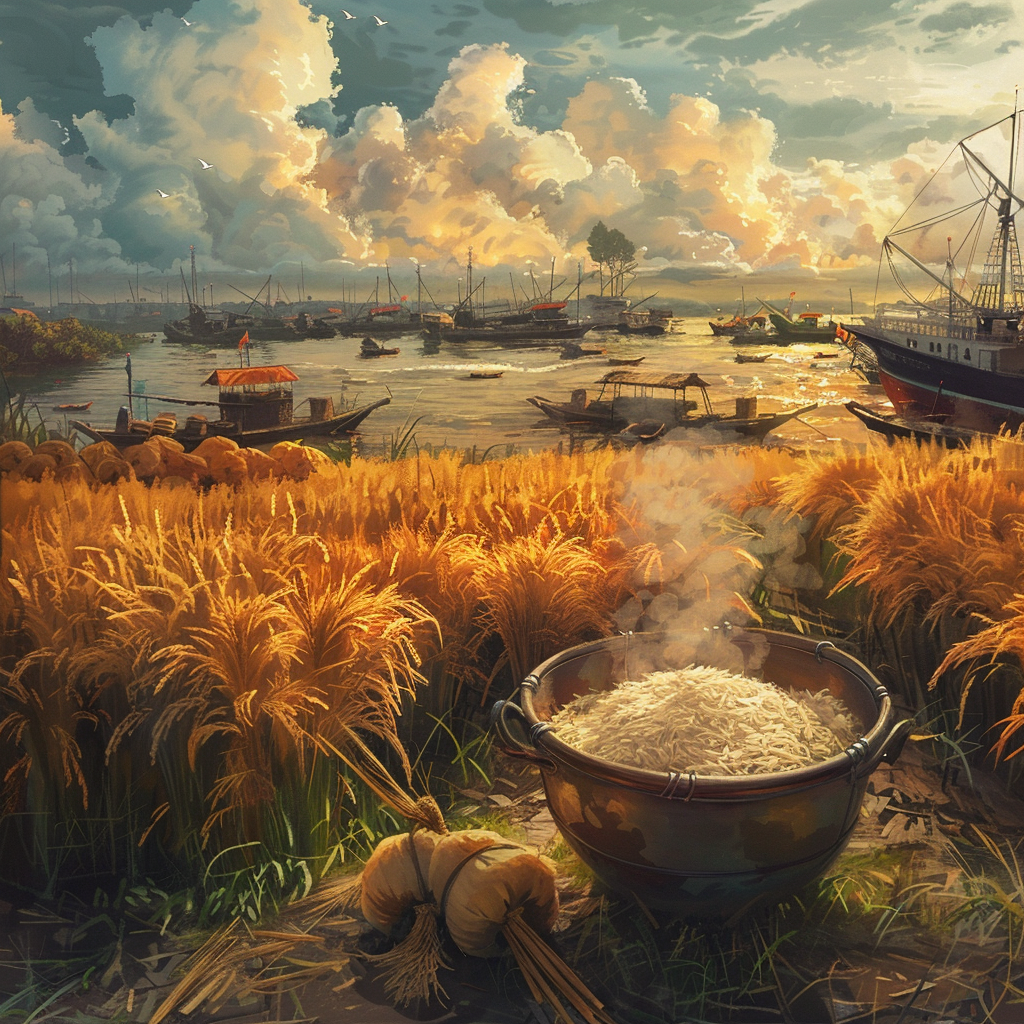
Imagine stepping into a world where the whispers of steam rise into the air, carrying with them the subtle, earthy aroma of rice. This isn’t just any rice; it’s Thailand’s steam rice, a culinary gem that soared to an all-time high with a staggering 3.26 million tonnes making its journey across the globe in 2014. Nations like Nigeria, Benin, and Cameroon had their tables graced by this unique Thai export, a product not even enjoyed within its own borders but cherished worldwide. However, the tide has turned for this once-celebrated export. Kobsuk Iamsuri, the president of the Thai Rice Exporters Association (TREA), paints a picture of a golden era that has somewhat dimmed. The allure of Thai steam rice has faced challenges, wading through the murky waters of a decade-long demand decline. The high production costs have edged Thailand out of the race, leaving it trailing behind its competitor, India,…

Under the cloak of darkness, in the early hours of a seemingly tranquil Saturday, the serene landscapes of Mae Taeng district in Chiang Mai province became the stage for an enthralling operation against illicit activities. In an event that unfolded like a scene from a high-octane thriller, a skillful assembly of soldiers from a suppression unit and the vigilant police, positioned themselves at the Kaeng Pantao road checkpoint in Chiang Dao district. The time was 1:30 am, and the air was thick with anticipation as these guardians of the night awaited their quarry. Their presence at the checkpoint was not without reason. Intelligence had whispered into the ears of Gen Narit Thavornwong, the esteemed commander of the drug suppression unit, about a nefarious drug gang’s plan. These criminals intended to snake their way through this very route, smuggling their poisonous wares into the heart of the province. But the authorities…

In a world where safety and tranquility are often taken for granted, the recent ripples of unrest in the Middle East have prompted a surge of concern and swift action from the Thai government. Amidst the tension and uncertainty that unfolded after Friday’s attack on Iran, the Ministry of Foreign Affairs of Thailand has sprung into action, proving yet again the lengths to which nations will go to protect their citizens, no matter where they may find themselves on the globe. The unfolding events had the halls of Thai embassies in Tel Aviv, Tehran, and Amman buzzing with activity as they braced for any emergent situation. The immediate directive was clear – ensure the safety and swift evacuation of Thai citizens, should the need arise. It’s a testament to the unyielding spirit of community and care that transcends borders, cultures, and conflicts. Minister Parnpree Bahiddha-Nukara, with a keen sense of…
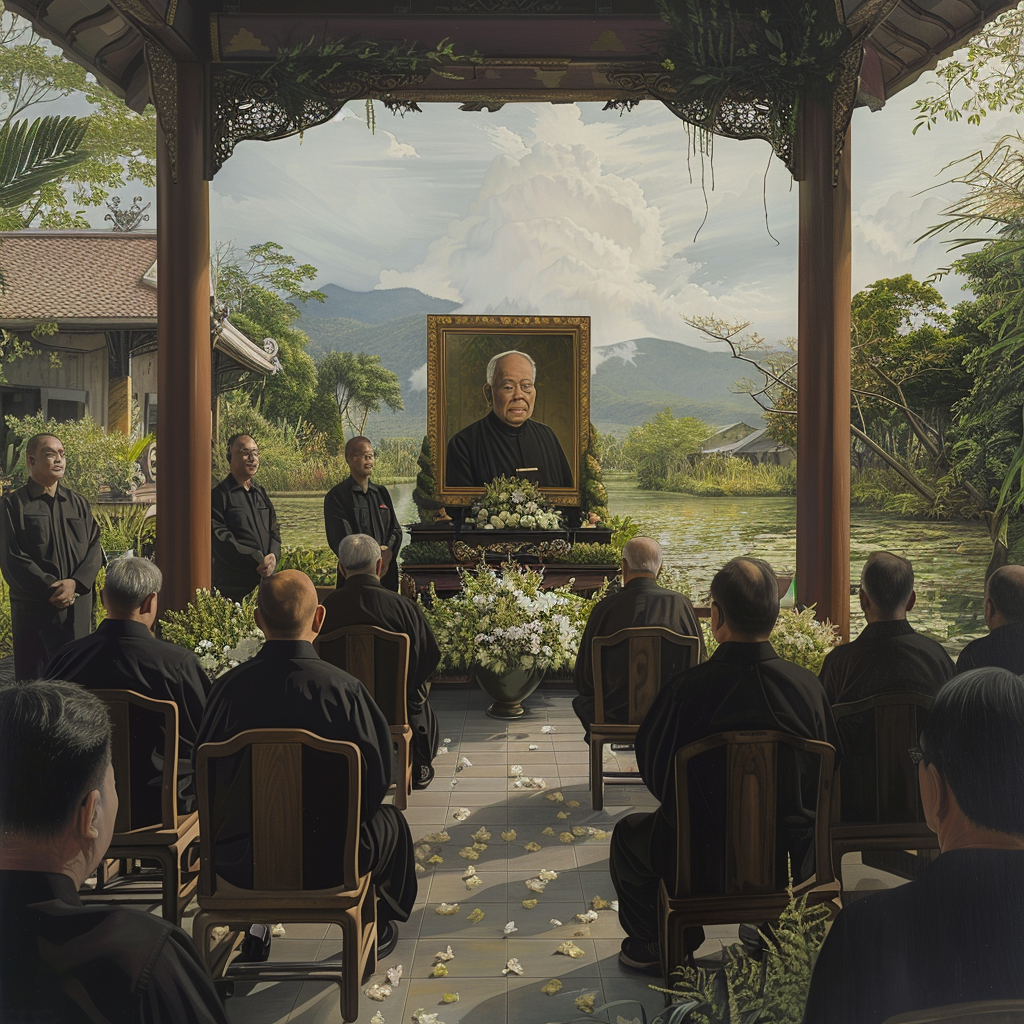
Imagine, if you will, a man whose life was as vibrant as the intricate tapestries of Ratchaburi province itself – this was Thawee Kraikupt. A luminary in his own right, Thawee’s journey came to an untimely pause on April 10, marking the end of an era. The cause? A tragic tumble within the walls of his abode, a cruel twist of fate that led him to the hospital with a grievous head injury. The Kraikupt homestead in the picturesque district of Photharam, Ratchaburi, is swathed in an air of solemnity as preparations for the funeral rites of this esteemed figure unfold. An announcement made by the Kraikupt family on a somber Friday confirmed that their residence would play host to these final rites, a fitting farewell to a man of Thawee’s stature. But who was Thawee, you ask? A titan of politics, Thawee’s story begins not in the corridors of…

In the intricate tapestry of Thai politics, a thread that wove through its rich history for decades has come to its end. The illustrious and veteran politician Thawee Kraikupt, a figure whose career spanned several eras and cabinets, breathed his last at the venerable age of 84, within the hallowed walls of Siriraj Hospital, Bangkok. His passing marks the turning of a page in the political narrative of Thailand, leaving behind a legacy of service and dedication. The saga of Thawee Kraikupt wasn’t just a chronicle of political achievements and milestones; it was a vibrant narrative of resilience, wisdom, and a relentless commitment to his country. As the patriarch of a political dynasty, with his daughter, Pareena Kraikupt, following in his formidable footsteps, Thawee’s story is interwoven with the fabric of Thailand’s political landscape. On a quiet April day, the elder Kraikupt, after a tragic fall in his home in…

Imagine venturing into the heart of a lush national park in Thailand, a land teeming with biodiversity and whispering the ancient secrets of nature. Amidst this verdant paradise, a recent announcement has buzzed through the scientific community, sparking intrigue and fascination. The Himalayan giant honey bee, known scientifically as Apis laboriosa, has made a grand entrance into the annals of Thailand’s natural history since its confirmed presence in 2023. But why has this monumental discovery caused such a stir? Let’s delve into the fascinating world of these remarkable insects and uncover the secrets they hold. For years, the presence of a giant honey bee species in the park piqued the curiosity of researchers. However, distinguishing this elusive guest from its more common counterpart, Apis dorsata, required meticulous observation and analysis. The Himalayan giant honey bee, with its majestic black abdomen adorned with gold-yellow fur along its thorax, presents a striking…

Imagine a world where cultures intertwine as beautifully and seamlessly as silk threads in a rich tapestry. This is the world envisioned and celebrated at the heart of the recent Thai-Chinese Cultural Forum, a beacon of unity and shared dreams under the auspices of the newly minted Thai Chinese Culture Promotion and Development Association. Guided by the wise and charismatic Bhokin Bhalakula, the former speaker of the Thai Parliament and now the chairman of this vibrant association, the forum was not just an event but a promise of an ever-blossoming friendship. In his eloquent address, Bhokin painted a vivid picture of an ancient camaraderie reborn, backed by a dynamic modern thrust between Thailand and China. It’s not merely a dialogue but a grand symphony of cultures, strategies, and aspirations aimed at weaving the intricate fabric of mutual understanding and respect even tighter. “Our shared history is stepping into a new…