
In a world where safety and tranquility are often taken for granted, the recent ripples of unrest in the Middle East have prompted a surge of concern and swift action from the Thai government. Amidst the tension and uncertainty that unfolded after Friday’s attack on Iran, the Ministry of Foreign Affairs of Thailand has sprung into action, proving yet again the lengths to which nations will go to protect their citizens, no matter where they may find themselves on the globe. The unfolding events had the halls of Thai embassies in Tel Aviv, Tehran, and Amman buzzing with activity as they braced for any emergent situation. The immediate directive was clear – ensure the safety and swift evacuation of Thai citizens, should the need arise. It’s a testament to the unyielding spirit of community and care that transcends borders, cultures, and conflicts. Minister Parnpree Bahiddha-Nukara, with a keen sense of…
THAI.NEWS - Thailand Breaking News
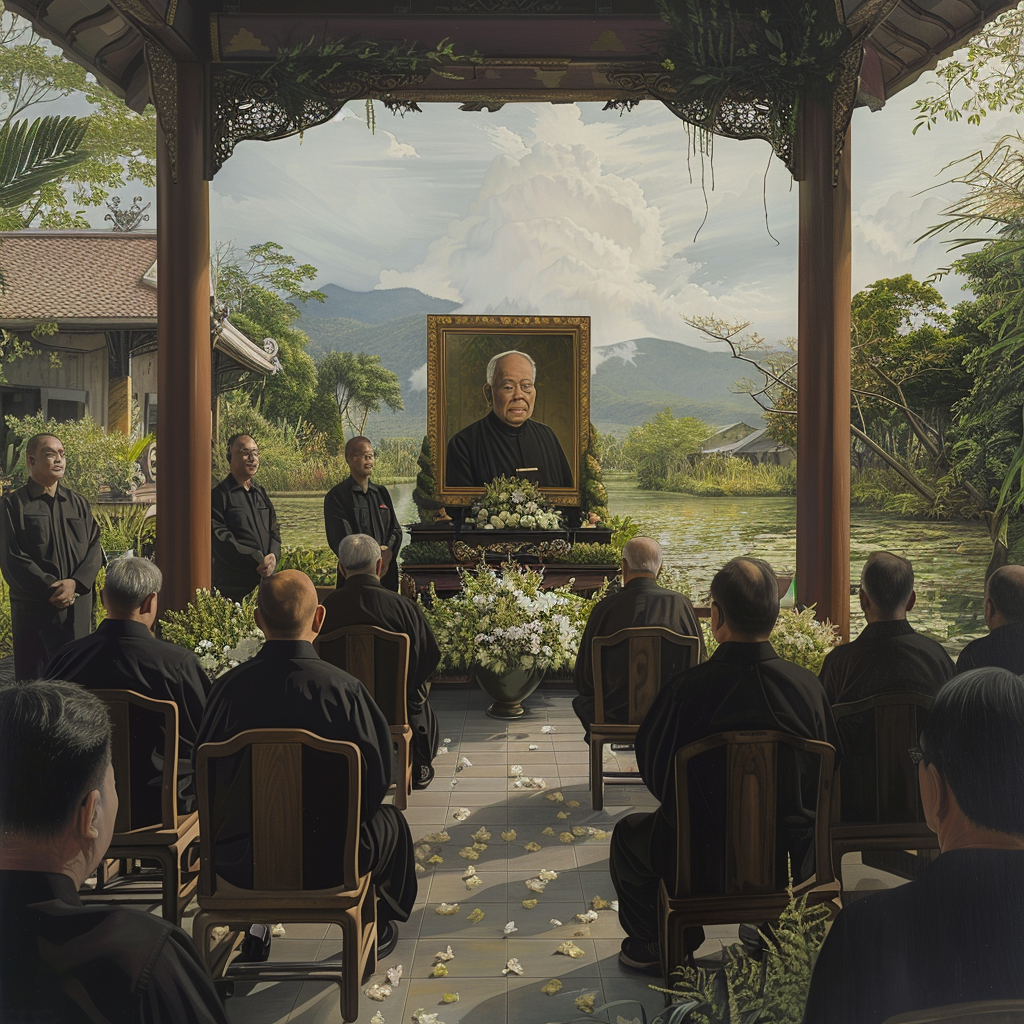
Imagine, if you will, a man whose life was as vibrant as the intricate tapestries of Ratchaburi province itself – this was Thawee Kraikupt. A luminary in his own right, Thawee’s journey came to an untimely pause on April 10, marking the end of an era. The cause? A tragic tumble within the walls of his abode, a cruel twist of fate that led him to the hospital with a grievous head injury. The Kraikupt homestead in the picturesque district of Photharam, Ratchaburi, is swathed in an air of solemnity as preparations for the funeral rites of this esteemed figure unfold. An announcement made by the Kraikupt family on a somber Friday confirmed that their residence would play host to these final rites, a fitting farewell to a man of Thawee’s stature. But who was Thawee, you ask? A titan of politics, Thawee’s story begins not in the corridors of…

In the intricate tapestry of Thai politics, a thread that wove through its rich history for decades has come to its end. The illustrious and veteran politician Thawee Kraikupt, a figure whose career spanned several eras and cabinets, breathed his last at the venerable age of 84, within the hallowed walls of Siriraj Hospital, Bangkok. His passing marks the turning of a page in the political narrative of Thailand, leaving behind a legacy of service and dedication. The saga of Thawee Kraikupt wasn’t just a chronicle of political achievements and milestones; it was a vibrant narrative of resilience, wisdom, and a relentless commitment to his country. As the patriarch of a political dynasty, with his daughter, Pareena Kraikupt, following in his formidable footsteps, Thawee’s story is interwoven with the fabric of Thailand’s political landscape. On a quiet April day, the elder Kraikupt, after a tragic fall in his home in…

Imagine venturing into the heart of a lush national park in Thailand, a land teeming with biodiversity and whispering the ancient secrets of nature. Amidst this verdant paradise, a recent announcement has buzzed through the scientific community, sparking intrigue and fascination. The Himalayan giant honey bee, known scientifically as Apis laboriosa, has made a grand entrance into the annals of Thailand’s natural history since its confirmed presence in 2023. But why has this monumental discovery caused such a stir? Let’s delve into the fascinating world of these remarkable insects and uncover the secrets they hold. For years, the presence of a giant honey bee species in the park piqued the curiosity of researchers. However, distinguishing this elusive guest from its more common counterpart, Apis dorsata, required meticulous observation and analysis. The Himalayan giant honey bee, with its majestic black abdomen adorned with gold-yellow fur along its thorax, presents a striking…

Imagine a world where cultures intertwine as beautifully and seamlessly as silk threads in a rich tapestry. This is the world envisioned and celebrated at the heart of the recent Thai-Chinese Cultural Forum, a beacon of unity and shared dreams under the auspices of the newly minted Thai Chinese Culture Promotion and Development Association. Guided by the wise and charismatic Bhokin Bhalakula, the former speaker of the Thai Parliament and now the chairman of this vibrant association, the forum was not just an event but a promise of an ever-blossoming friendship. In his eloquent address, Bhokin painted a vivid picture of an ancient camaraderie reborn, backed by a dynamic modern thrust between Thailand and China. It’s not merely a dialogue but a grand symphony of cultures, strategies, and aspirations aimed at weaving the intricate fabric of mutual understanding and respect even tighter. “Our shared history is stepping into a new…
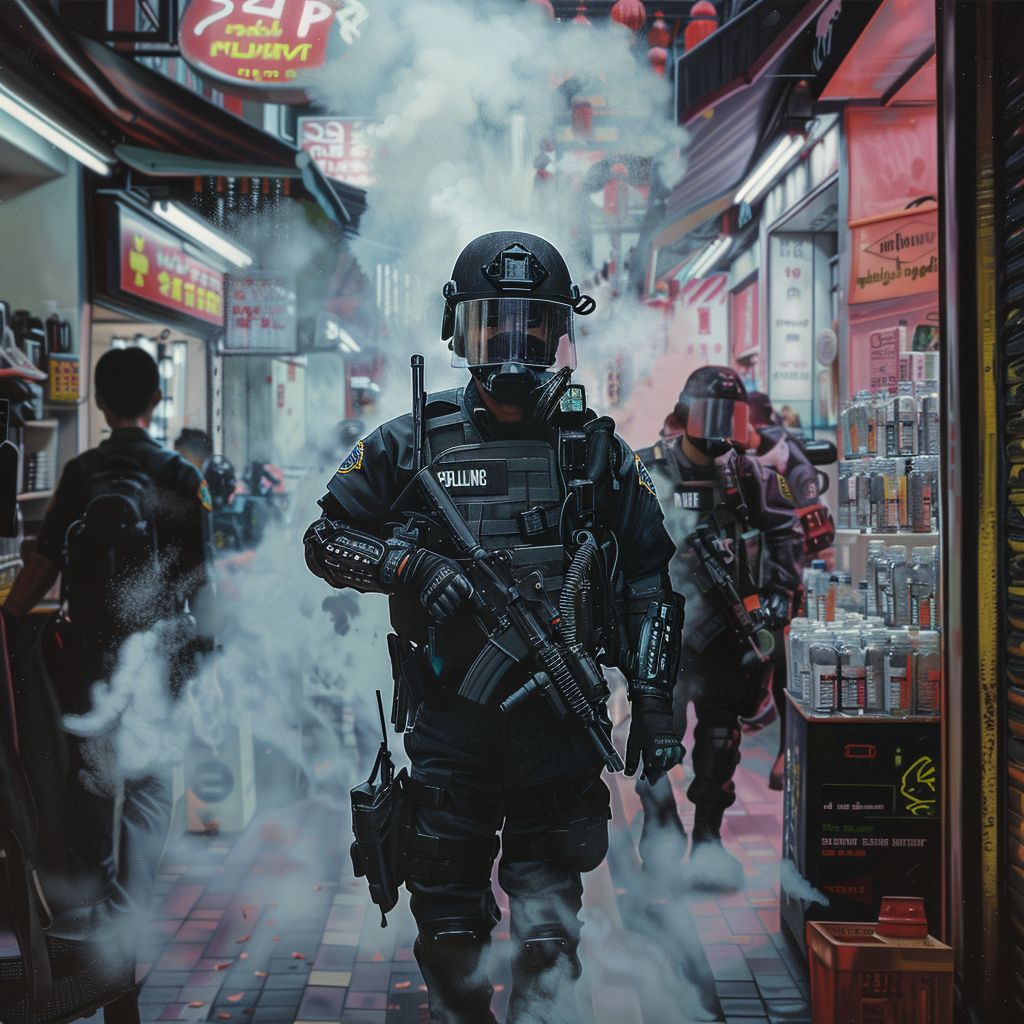
In a plot that seems ripped straight from the pages of a fast-paced crime novel, the bustling city of Bangkok witnessed a tactical operation unfold last Friday that could very well change the vaping landscape in the surrounding university belts. In an impressive display of coordination and enforcement, the Thai police, under the watchful eyes of the Prime Minister’s Office Minister Puangpet Chunlaiad, conducted simultaneous raids on five e-cigarette shops strategically located near educational institutions and buzzing community hubs. The raids weren’t just a mere sweep; they were a calculated strike against the burgeoning illegal trade of e-cigarettes, culminating in the seizure of a staggering 10,000 units. These weren’t your garden-variety vapes. The haul featured an eclectic mix of regular-shaped e-cigarettes and toy pods, eclectic nicotine vaping devices cunningly disguised as innocuous cartoon figurines, collectively valued at a cool three million baht. This treasure trove of contraband was not just…

In an exhilarating blend of tradition, skill, and competition, the Queen not only participated but triumphed in a high-stakes sailing race, marking a monumental moment as part of team “Vayu.” Taking on the turbulent seas aboard the THA72 sailboat, they dominated the IRC zero class, securing a prestigious victory in a race that is as much about heritage as it is about speed. The event took sailors on a daring journey from the scenic Cha Am beach located in the heart of Phetchaburi province, all the way to the tranquil shores of Toey Ngam Beach in Sattahip district, Chonburi province. The race across these 45 nautical miles was not just a test of endurance but a celebration of maritime prowess. Gathering at the start line were eight sailing teams, a diverse lineup hailing from corners of the globe – Australia, the United Kingdom, the Netherlands, Malaysia, Taiwan, and Thailand, bringing…

Welcome to the rollercoaster ride of finance, where numbers dance and profits ebb and flow with the grace of a ballet dancer in the spotlight. The scene is set in the bustling markets of ASEAN, where Krungsri, Thailand’s titan of finance, maneuvers the terrain with the agility of a seasoned acrobat. The first quarter of 2024 has been a spectacle of economic dynamics, a testament to the bank’s unfaltering commitment amidst the swirling winds of change. Let’s dive into the heart of the action, where Krungsri’s net profit took a slight bow, descending to 7.543 billion baht. A decrease that whispers tales of strategic cushioning against the what-ifs of tomorrow. This 13.1% drop from the same time last year isn’t merely a number—it’s a stalwart defense in anticipation of the unforeseen, a move that highlights Krungsri’s prudent and steadfast risk management choreography. When exploring the labyrinth of loans, a narrative…
When it comes to the hustle and bustle of air travel, we all crave a sliver of peace, punctuality, and perhaps a dash of luxury without breaking the bank. Diving into the world of aviation marvels, a distinguished UK-based consulting firm, revered for its in-depth airline and airport critiques, has recently unfurled its much-anticipated list. This isn’t just any list; it’s a comprehensive guide shining the spotlight on those exemplary airport terminals that stand out for their unparalleled service to the budget-minded voyager. This year, their World Airport Survey went above and beyond, dissecting various facets of airport life, including the architectural finesse and environmental consciousness of each terminal, its connectivity, the extent of facilities, and the proficiency and warmth of the airport staff. Claiming the throne at the pinnacle of this prestigious ranking is none other than Terminal 3 at Paris-Charles de Gaulle Airport in the romantic heart of…
Last year, amidst the hallowed halls of parliament, MPs and senators gathered, perhaps unaware that their future travels would stir up a storm of controversy. Just as their terms are drawing to a sunset on May 10, plans for globe-trotting adventures, with price tags soaring into millions of baht, have sparked outrage among the public and elicited cautionary advice from prominent figures. Enter Plodprasop Suraswadi, a former deputy prime minister with a voice loud and clear, and Senator Seree Suwanpanont, known for his frankness. Both have raised the alarm, urging senators to reconsider their international escapades. Suraswadi, peering through the looking glass of scrutiny, revealed that these exploratory voyages would drain 81 million baht from the state’s coffers. With the hands of the clock ticking down to the end of their Senate tenure, embarking on these trips seems to defy logic. From the whispers within the corridors of power, it…