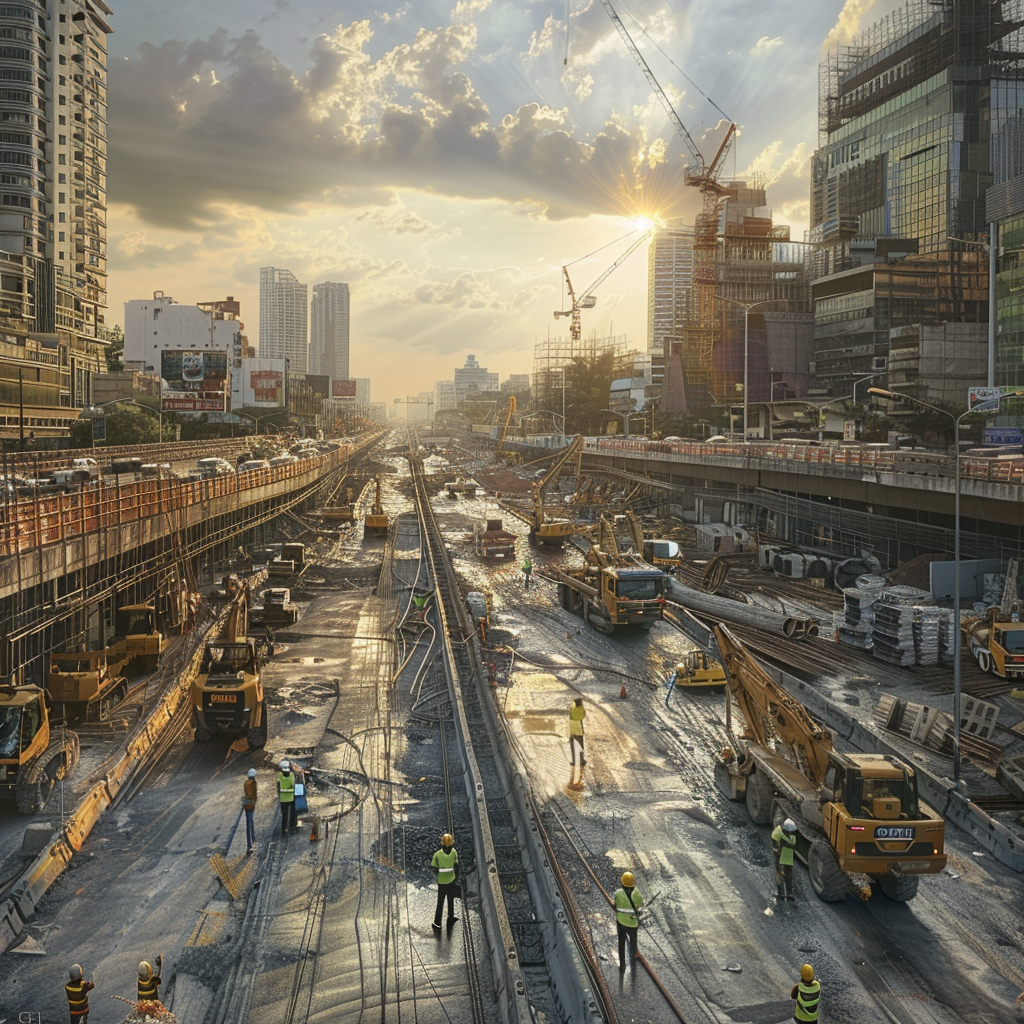
“` Imagine zipping through the bustling streets of Bangkok with ease, the city’s notorious traffic jams nothing but a distant memory. This isn’t just a daydream for the distant future—it’s becoming a reality thanks to the efforts underway along the emblematic Rama II Road. As we dive into the developments transforming one of Bangkok’s key arteries, there’s a palpable buzz of excitement in the air. The Prime Minister, Srettha Thavisin, has recently showered praises on both government and private entities for their joint efforts in enhancing the flow of traffic along this vital route. Indeed, the end is in sight with all construction expected to wrap up by next year, promising smoother rides and significantly lessened commuting woes. Government spokesperson Chai Wacharonke relayed the Prime Minister’s commendations, highlighting the strategic partnership between state and private sectors in tackling the notorious congestion on Rama II Road. The Prime Minister’s directive? To…
THAI.NEWS - Thailand Breaking News
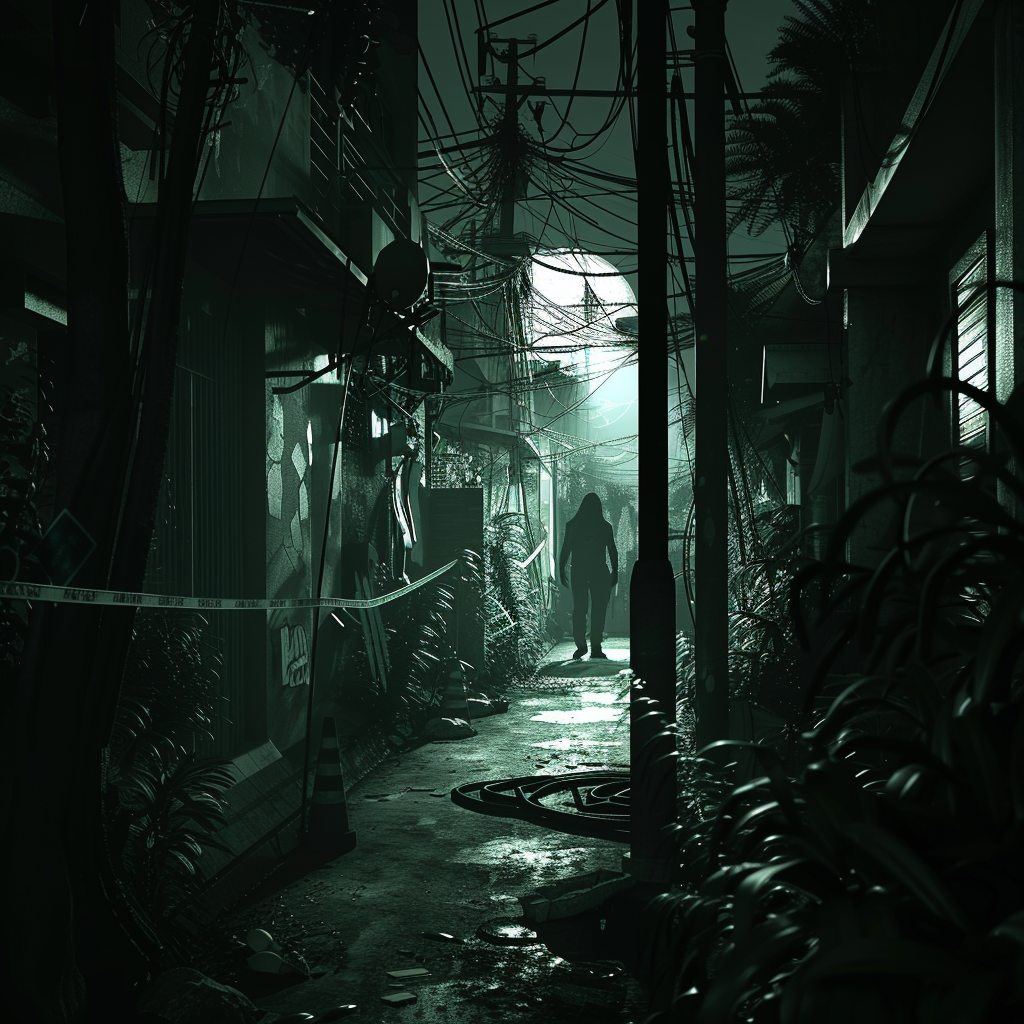
In the heart of Nonthaburi province, a chilling story unfolds that reads more like the plot of a noir thriller than a real-life event. The peaceful routine of this Thai community was shattered last week, when the fragmented remains of Kabashima Ryosuke—a name now intertwined with a tale of mystery and dread—were discovered under the most macabre circumstances. The saga began in an almost innocuous manner, when a 10-year-old boy, whose curiosity led him astray, stumbled upon a human hand peeking out from the underbrush. This grisly discovery in Soi Chat San Sawing 2 set the local law enforcement on a path that would unravel a narrative so dark it captivates and horrifies in equal measure. As the Nonthaburi Provincial Police and the detectives from Bang Bua Thong delved deeper, they unearthed more than just the decaying remains of the unfortunate Mr. Kabashima. They unearthed a story of betrayal amongst…

In an exhilarating blend of ingenuity and diplomacy, Thailand’s Transport Minister, Suriya Jungrungreangkit, is poised to embark on a pivotal journey to China next month. Amidst the backdrop of burgeoning Thai-Chinese relations, Mr. Suriya will lead a delegation to the dynamic interface of the 31st Thailand-China joint ministerial committee meeting, slated for May 7-9. The agenda? To breathe life into two monumental ventures: the Thai-Chinese high-speed railway project and the awe-inspiring 1-trillion-baht Land Bridge megaproject. After a five-year hiatus in face-to-face interactions, courtesy of the globe-encircling Covid-19 pandemic, this meeting marks a significant thaw in international diplomacy. Among the glittering topics of discussion, the high-speed rail project, a marvel of modern engineering linking the heart of Bangkok to Nakhon Ratchasima, takes center stage. With the curtain rising on this ambitious first phase, approximately 32% of the railway dreams have been woven into reality, with sights set on a 2028 completion…

In a whirlwind of political drama that could rival the plots of Shakespeare, the Move Forward Party (MFP), once spearheaded by Pita Limjaroenrat and now receiving guidance from Chief Adviser Pita and the astute Chaithawat Tulathon, finds itself in a cyclone of legal challenges and bold ambitions. On a day that was as unpredictable as the Thai weather, January 31st became notable in the annals of Thai political history. Not just because of the Constitutional Court’s thumbing down on the party’s ambitious lese-majeste reform policy, but for the image it projected—a mix of defiance and contemplation—as captured in a photograph, encapsulating a moment when two generations of political innovators, stood side by side, addressing the storm together. Leap forward to a scene on Wednesday, with the ambience humming with anticipation and strategy. The corridors of justice braced themselves for another chapter as Chaithawat Tulathon, the party’s fearless leader, disclosed to…

Imagine the exhilarating world of gas exploration, where the azure waters of the Gulf of Thailand hide treasures untold. Here, amidst the towering rigs, drama unfolds not just under the sea but also among the corridors of power. This tale revolves around the venerable giant, PTT Exploration and Production Plc (PTTEP), and a saga that feels ripped right from a blockbuster script. Our story begins in the early 2000s, when PTTEP embarked on a quest for excellence, seeking to enhance their capabilities with state-of-the-art equipment. Enter the scene: a procurement contract so colossal it almost reached a billion baht. This was no ordinary procurement; it was destined to be a procurement of epic proportions, with Rolls-Royce playing the role of the coveted supplier for two gas turbine compressors for a contract valued at a jaw-dropping US$24.66 million. However, in the shadow of this grand pursuit, a plot was brewing. The…

On a rather ordinary day in Wichian Buri district, Phetchabun province, an extra layer of excitement was palpable in the air, for Gen Prawit Wongsuwon, the robust leader of the Palang Pracharath Party, was in town. This isn’t just your run-of-the-mill political visit; imagine, if you will, a scene filled with anticipation, as the former deputy prime minister and the chairman of the Sports Authority of Thailand graced the locals with his presence on January 7, 2024. The buzz wasn’t just about politics; it was about peering into the life of a man whose wealth and asset declaration had everyone talking. Indeed, the National Anti-Corruption Commission (NACC) chose a fine Wednesday to reveal the declared assets and liabilities of Thailand’s political and government elite. And let me tell you, Gen Prawit’s finances were the talk of the town. As a man accustomed to the spotlight, his declared assets stood at…
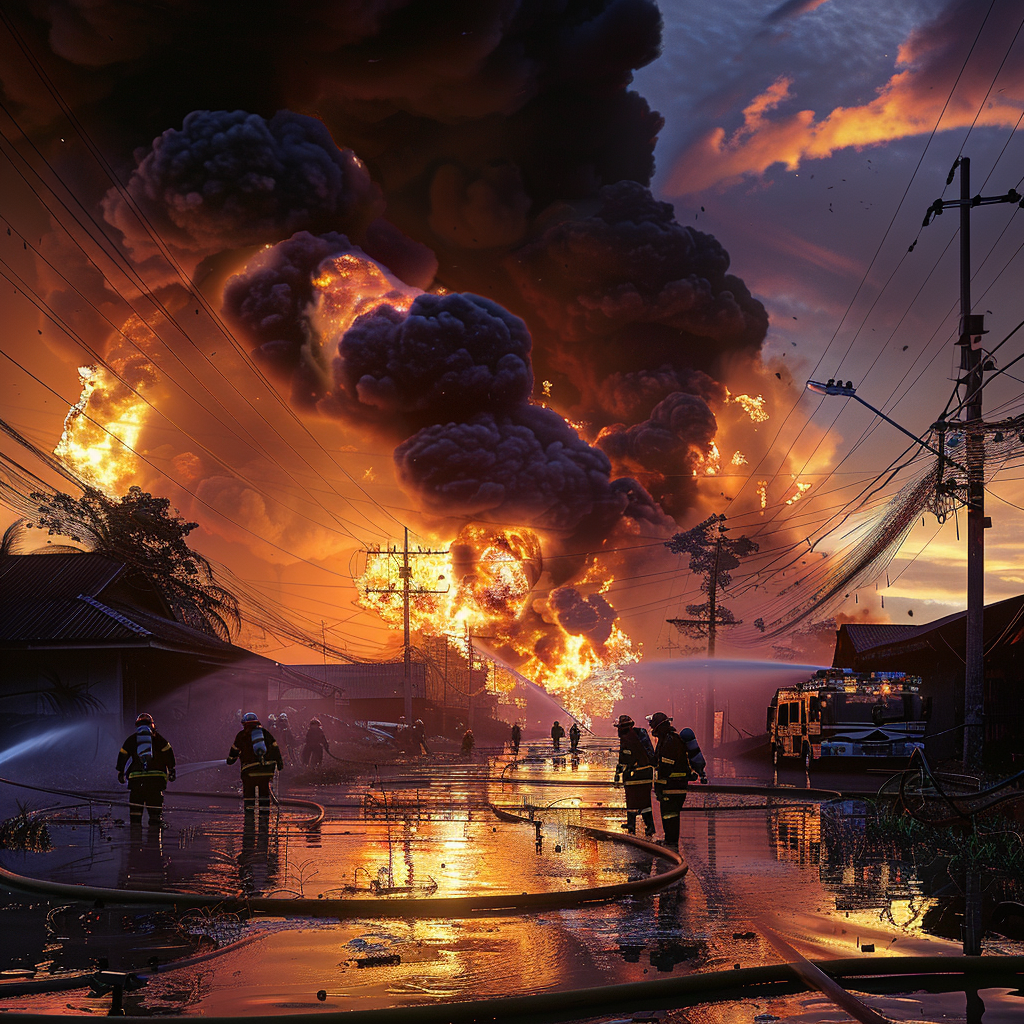
In the serene heart of Ban Khai district in Rayong, a drama unfolds that seems straight out of a suspense thriller – but with real stakes and real people. The catastrophic fire that engulfed a hazardous waste storage facility, owned by the now-bankrupt Win Process Ltd, has not only lit up the skies but also ignited a fervent plea for justice from the local community. Imagine, if you will, a quiet Tuesday, suddenly disrupted by the emergence of a monstrous fire, hungrily devouring everything within the confines of one of Win Process’s waste warehouses. The flames, obstinate and relentless, continue their dance beneath the rubble, casting a pall of smoke over the vicinity, a sinister reminder of the ongoing disaster. This scene, captured in a haunting image by the Pollution Control Department, is not from the latest blockbuster but the grim reality facing the people of Ban Khai. Fast forward…

Imagine the scene: gleeful kids darting through fountains of water, their laughter ringing through the air as they make the most of a blissful retreat from the scorcher of a day outside. This delightful oasis? None other than the vibrant water park nestled within the expansive Mega Bangna shopping complex in Samut Prakan, a haven attracting families seeking solace from the sun’s relentless blaze. The moments captured in this effervescent setting offer a glimpse into the simple joys that remain cherished during the peak heat periods. (Photo: Wichan Charoenkiatpakul) But hold onto your hats, or rather, your sunglasses, because things are about to get even toastier. According to the nation’s weather gurus, we’re on the cusp of experiencing what could very well be record-breaking temperatures. From Friday to Tuesday, you might want to stock up on ice cream because the mercury is expected to climb to heights unseen, with the…
In the shadowy underbelly of Nonthaburi, Thailand, a tale as dark and winding as the Soi Sawaing 2 off Ban Kluai-Sai Noi Road emerges from the depths, sending shivers down the spine of the local community and beyond. It was here, in a scene plucked straight from a noir thriller, that the dismembered remains of a Japanese man were discovered, casting a pall of mystery and horror over the bustling streets of Bang Bua Thong district. Last week, the grizzly tableau began to unfold as rescue workers, faces grim and hearts heavy, retrieved bags filled with human remains beside a nondescript track. The area, usually alive with the hum of daily life, was transformed into a scene of grim discovery, as the reality of the brutal murder sent shockwaves through the community. As the days passed, the plot thickened. More parts of the decaying body were found, each piece a…
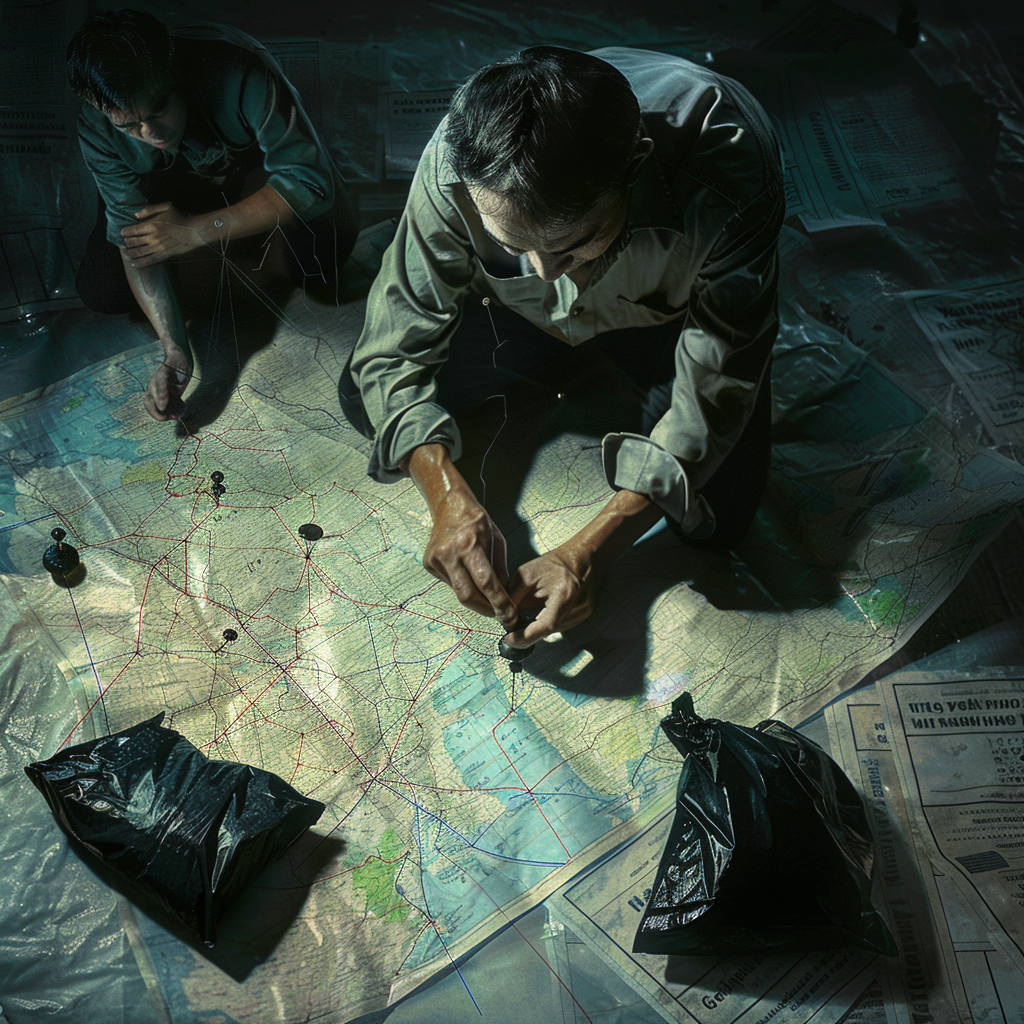
In a twist of events that seems torn from the script of a noir thriller, the quiet streets of Nonthaburi province were shaken by a grisly discovery that has since captivated the nation’s attention. Last week, in an episode that has all the hallmarks of a macabre tale, rescue workers stumbled upon a chilling sight beside a track in Bang Bua Thong district. There, in the sweltering heat, lay a bag containing the dismembered remains of what was once a living person. The photograph supplied of the scene could very well belong in the dossier of the darkest detective stories, setting the stage for a mystery that would unravel in the most unexpected of ways. The plot thickens when two Japanese men emerge as the prime suspects in this ghastly narrative. It appears that the remnants of their grim handiwork were not confined to a single instance. In fact, decaying…