
In a twist of political intrigue that feels more like the plot of a savvy political thriller than real life, the Office of Election Commission (EC) has found itself at the center of a swirling controversy. Picture this: an intricate web of electioneering, digital age tactics, and a bold plot to reshape the legislative landscape. It’s not every day that an alleged attempt to rig the selection of senators comes to light, thrusting the EC into the spotlight and launching them into a full-blown investigation. At the heart of the storm is the EC’s warning—a solemn heads-up to potential senatorial candidates about not getting lured into registering via a potentially dodgy website. The statement came off the back of escalating whispers that the upcoming election of new senators might be under threat from not just any manipulation, but a concerted effort to skew the field in favor of certain perspectives.…
THAI.NEWS - Thailand Breaking News

In a riveting turn of events that seems to whisk us straight into the pages of a history-laden mystery novel, the serene daily life of the folks in tambon Toong Kwao, nestled within the heart of Phrae’s Muang district, was stirred. Not by the clamor of the modern world, but by the whispering echoes of their ancestors. Here, amid the dust and dreams of bygone eras, the Fine Arts Department has declared a dramatic pause to the construction of the Den Chai-Chiang Khong railway. Why, you ask? The ground itself has sprung forth secrets long buried – ancient artefacts, no less, estimated to be between 400 and 500 years old. Imagine stumbling upon treasures that have slept underfoot for centuries: exquisite Buddha amulets that once graced the necks of ancient worshippers, shards of earthenware that whispered of daily life long past, and a bronze gong whose resonant tones may have…
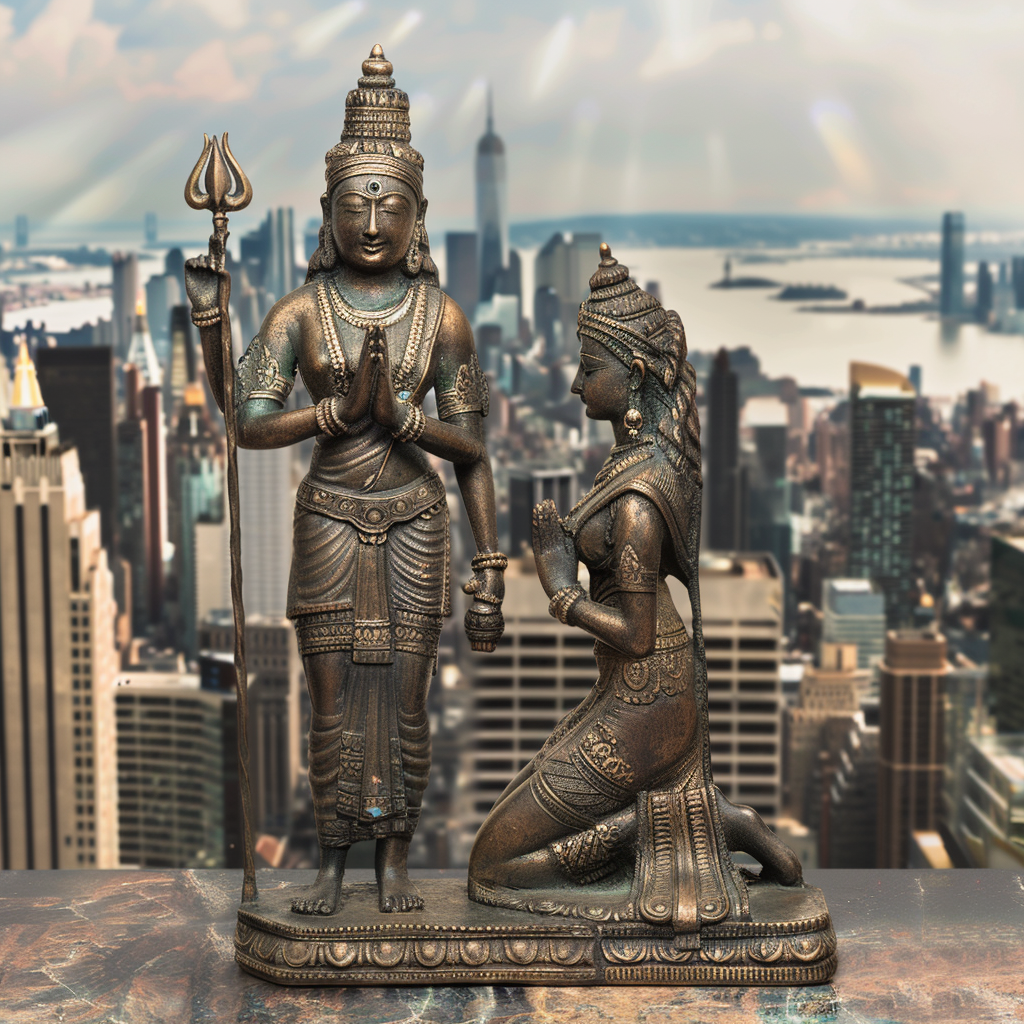
In a thrilling leap of cultural diplomacy and historic rectification, the grand halls of New York’s Metropolitan Museum of Art (The Met) are abuzz with anticipation. The reason? Two mesmerizing artefacts, long gone from their homeland, are poised to make a triumphant return to Thailand. This momentous event unfolds under the keen watch of Culture Minister Sermsak Pongpanit, who has orchestrated a masterstroke of cultural retrieval. To ensure that all is in order before these priceless artefacts touch Thai soil once more, Nitaya Kanokmongkol, the esteemed executive director of the Office of National Museums under the Fine Arts Department, is currently on U.S. soil. She’s there to cast a meticulous eye over two ancient bronze statues, breathing in the stories they tell of a time long past. First, let’s talk about the “Golden Boy,” a Standing Shiva that exudes the kind of charisma that only divine figures possess. Then, there’s…

Welcome to the dawn of a new era in Southeast Asia’s connectivity saga! This November, the ribbon will be cut on the illustrious fifth Thai-Lao Friendship Bridge, a marvel of modern engineering that stitches the fabric of Thailand and Laos together, linking the vibrant Bueng Kan province with the charming town of Pakxan in Laos. Spearheaded by the indefatigable Deputy Transport Minister Manaporn Charoensri, this bridge isn’t just a crossing; it’s a beacon of hope and prosperity, heralding an age of unparalleled connectivity. Nestled within the verdant landscapes of Bueng Kan, the bridge spans across the mighty Mekong River, connecting the Thai tambons of Bueng Kan, Khai Si, and Wisit with their Laotian counterpart, Pakxan. Imagine a 1.35-kilometre stretch of engineering prowess, gracefully arcing over the water, a two-lane road offering a seamless journey across the river. On the Thai side, travelers will find themselves whisked away on a four-lane…

Imagine sinking your toes into the sun-kissed sands of Phuket’s beaches, a paradise where the turquoise waves kiss the shores under the watchful gaze of the sun. It’s here, amidst this picturesque backdrop, that Phuket’s governor envisions a future where this island jewel ascends to new heights of prosperity and development. At the heart of a recent convening with the Phuket Chamber of Commerce, Governor Sophon Suwannarat unveiled an ambitious proposal that could redefine the administrative and fiscal landscape of Phuket, setting it on par with Bangkok and Pattaya. Picture Phuket, not just as the postcard-perfect destination it is today but as a special administrative area, wielding greater control over its finances, infrastructure development, and destiny. Thailand, a tapestry of 76 provinces, sees only Bangkok and Pattaya enjoying such autonomy. Governor Sophon’s vision? To elevate Phuket to this exclusive club, allowing it to harness its full potential beyond the constraints…

Imagine strolling through the bustling streets of Bangkok, where the air is infused with the tantalizing aromas of street food and the hum of lively chatter fills the air. Now, envision this experience elevated by newly renovated sidewalks, a project spearheaded by the Bangkok Metropolitan Administration (BMA) to transform the way locals and tourists alike navigate the city’s vibrant thoroughfares. At the heart of this urban makeover is the BMA’s ambitious initiative to refurbish footpaths along 16 busy routes crisscrossing the capital. In an effort led by the effervescent BMA spokesman, Aekvarunyoo Amrapala, the administration recently kicked off an inspection tour, showcasing the ongoing work on Ratchadamri and Phloenchit roads. These pavements are getting a top-notch makeover to adhere to new durability and safety standards while embracing a universal design ethos for greater accessibility for all. Aekvarunyoo beams with pride as he explains the BMA’s master plan to revamp a…
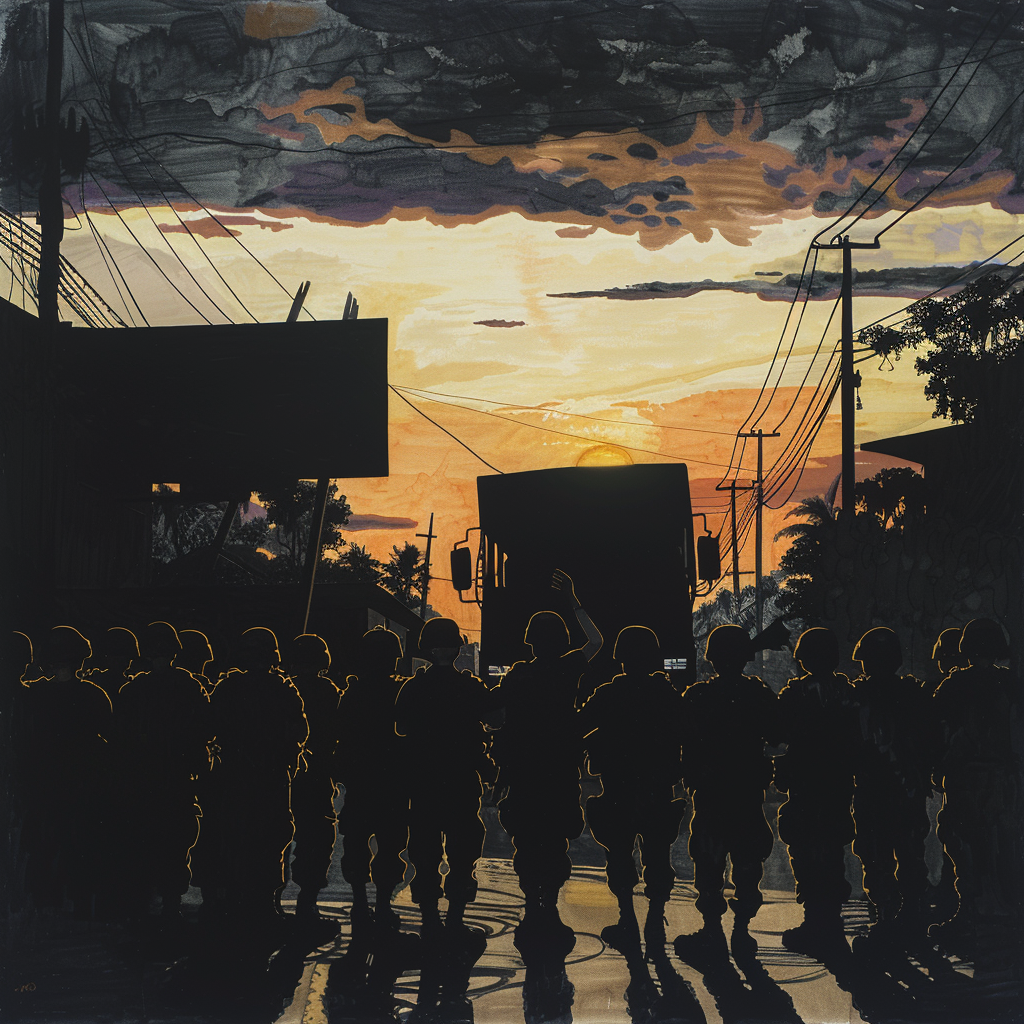
On a day that started like any other in the scenic, yet tumultuous south of Thailand, the peaceful facade of Narathiwat province was shattered, ushering in a narrative that would be etched in the annals of history with tragic ferocity. The date was October 25, 2004, a day that would forever be remembered for the events at Tak Bai, where fervor and desperation collided with an unyielding force, leading to a catastrophic aftermath that still resonates two decades later. It began with a rallying cry for justice. Hundreds of demonstrators gathered in front of the Tak Bai police station, their voices unified in protest, demanding the release of six detained defense volunteers. The air was thick with tension, anticipation, and a potent mix of hope and despair. These were not mere protesters; they were fathers, mothers, brothers, and sisters – a community banding together in pursuit of what they believed…

Imagine, if you will, a tale that unfolds not just on the bustling streets of Thailand but also crosses borders into the mysterious lands of Laos. This isn’t your run-of-the-mill story; it’s one that involves intrigue, mystery, and a dash of international drama. At the heart of this chilling saga are two Japanese gang members, their identities cloaked in mystery, suspected of a crime so heinous it sends shivers down the spine. Our narrative begins in the usually tranquil province of Nonthaburi, Thailand, where a gruesome discovery was made last month. A Japanese national met a fate most brutal, his body not just taken from this world but dismembered, leading the authorities on a macabre treasure hunt. This man, known among his circle as Ryosuke Kabashima, 47, was believed to be entwined in the shadowy dealings of a gang with nefarious intentions far beyond the borders of Thailand. The plot…

In a move that’s sent ripples across the media landscape, Voice TV, the brainchild of Panthongtae “Oak” Shinawatra, is set to pull the plug on its broadcasting operations across all platforms come the end of May. This decision marks the end of an era for a network that not only bore the Shinawatra family name but also carried a torch for a unique brand of journalism for 15 years. The shuttering of Voice TV means about 100 talented reporters and staff members are poised to bid adieu to what many considered a second home. Founded in the vibrant year of 2008 with a hefty purse of 300 million baht by none other than the offspring of former premier Thaksin Shinawatra, Voice TV burst onto the scene during a time when getting your news fix meant wrestling with a satellite TV setup. The media landscape back then was starkly different, and…
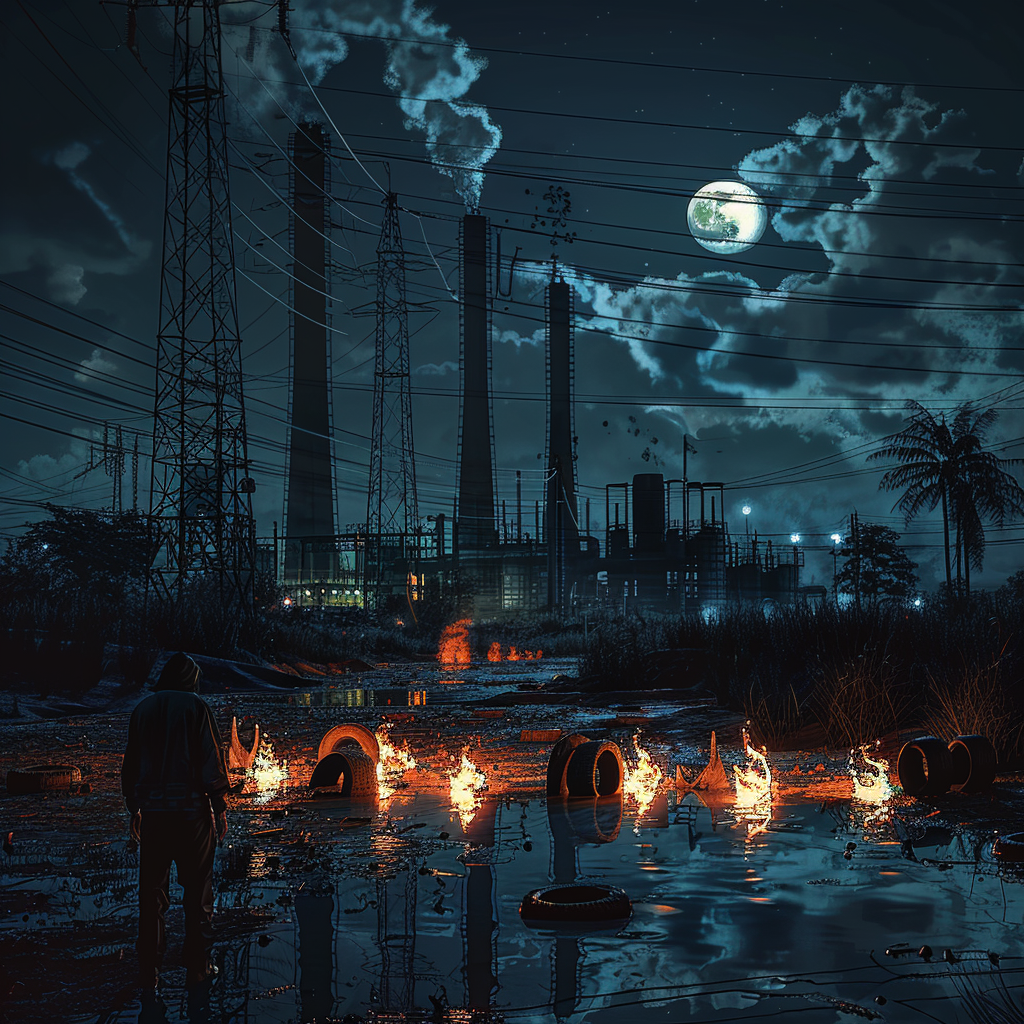
In the shadowy depths of the night, under the luminescent glow of the moon, Saba Yoi district in Songkhla became the stage of an audacious act of defiance. An armed individual, shrouded in black, loomed ominously at the threshold of Rungtiva Biomass Power Plant—a precursor to the chaos that was about to unfold. This was not a scene from a blockbuster movie, but the gritty reality captured on CCTV, setting the stage for an event that would rattle the stillness of the early hours. The curtain rose on this dramatic sequence as suspected insurgents orchestrated a calculated bomb attack on the power plant. It wasn’t just an isolated act of defiance; it was a choreographed show of power and protest that spanned neighboring districts. Just as the Rungtiva Biomass Power Plant in Plak Bo village was engulfed in turmoil, with three earth-shattering bangs piercing the calm after four shadowy figures…