
Imagine a time when the streets of China become a little quieter, and the bustling cities take a breath as millions embark on journeys back to their roots or venture out to new horizons. This is not a scene from a movie; this is China’s National Day Golden Week observed from October 1-8, an epic annual migration that sees millions traversing across the country and beyond in celebration and remembrance. In the heart of Thailand, a vibrant celebration unfolds, aimed at capturing the spirit of this vast exodus and transforming it into a carnival of culture, festivities, and unforgettable experiences. Enter Thapanee, whose announcement of the Nihao Festival sets the stage for an extravaganza in Bangkok’s iconic Chinatown, Yaowarat, to commemorate Chinese National Day. This is where the old world charm meets the dynamic pulse of festivity, promising an event that is as inviting as it is exhilarating. The Tourism…
THAI.NEWS - Thailand Breaking News

Imagine a bustling headquarters filled with eager anticipation, where two women stand out among a crowd, their presence symbolic of a digital revolution on the horizon. It was on October 17th last year, under the gleam of camera flashes and the buzz of conversations, that supporters gathered at the Pheu Thai Party headquarters, their eyes set on a pioneering venture: the digital wallet scheme. This wasn’t just any gathering; it was the dawn of a new era in financial inclusivity, promising to reshape the way Thais engage with their economy. However, amidst this wave of digital enthusiasm, the voice of caution echoed through the halls of debate, brought forth by the principal challenger on the political chessboard, the Move Forward Party (MFP). With a tone of solemn concern, they unveiled a forecast that could put a damper on the spirits of digital wallet supporters. At the heart of their warning…

Imagine strolling through a bustling shopping mall in London, the air filled with the latest fashion trends and tantalizing aromas from nearby eateries. Among the shoppers is someone you might not expect to see: Yingluck Shinawatra, Thailand’s first and only female prime minister, blending into the crowd. This rare sighting occurred on April 14 and quickly captured attention on social media. Yingluck Shinawatra’s journey from the pinnacle of Thai politics to a shopper in London is a tale of intrigue, ambition, and controversy. In 2017, just as the climax of a legal drama unfolded, she took an unexpected departure from Thailand, leaving behind a sentence of five years in jail for negligence in a rice subsidy scheme. This move was not just a personal crisis but a seismic event in Thai politics, echoing the tumultuous path of her brother, Thaksin Shinawatra, another former prime minister with a contentious legacy. But…

It’s no secret in the corridors of power that getting everyone on the same page is akin to herding cats. Yet, amidst this political ballet, stands a force determined to bring about a semblance of order: the indefatigable Rangsiman Rome. In a bold move that has tongues wagging across the political spectrum, the Move Forward Party (MFP), under the stewardship of Rangsiman, a list-MP with an eye for reform and a heart for accountability, tabled a bill that doesn’t just aim to rock the boat—it intends to steer it towards unchartered waters of transparency and responsibility. Imagine the scene: a bustling parliament, the air thick with anticipation and perhaps a hint of trepidation. Rangsiman, with the finesse of a seasoned statesman, submits a proposal that could very well redefine the boundaries of political accountability in Thailand. This isn’t merely a piece of legislation; it’s a clarion call for ministers and…
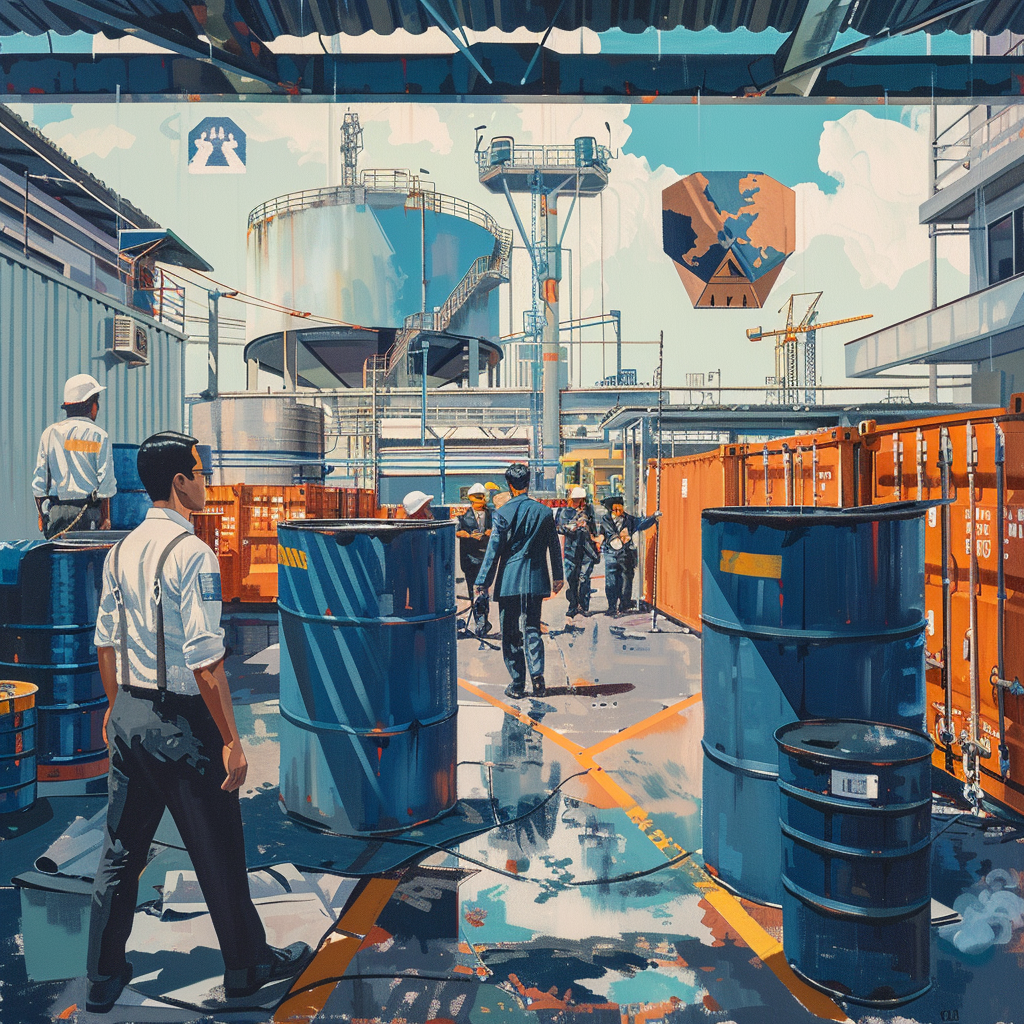
In an unprecedented twist of events that seems ripped from the pages of a corporate thriller, Jessada Kengrungruangchai, the director at the helm of J & B Metal Co Ltd, found himself navigating through a murky quagmire of legal and environmental responsibilities. In a bustling Samut Sakhon, a province known for its industrious spirit, Jessada, alongside his legal counsel, marched into the police station to confront a storm of charges related to the possession of cadmium waste within his company’s storage facilities. The plot thickens as Jessada, along with his wife, both directors of the beleaguered company, earnestly requested to peel through the layers of information, complaints, and charges mounted against them. This wasn’t merely a quest for clarity but a bid to craft a defense as resilient as the metals they dealt with. In their narrative, the cadmium waste, a villain in this saga, was not a sinister stockpile…
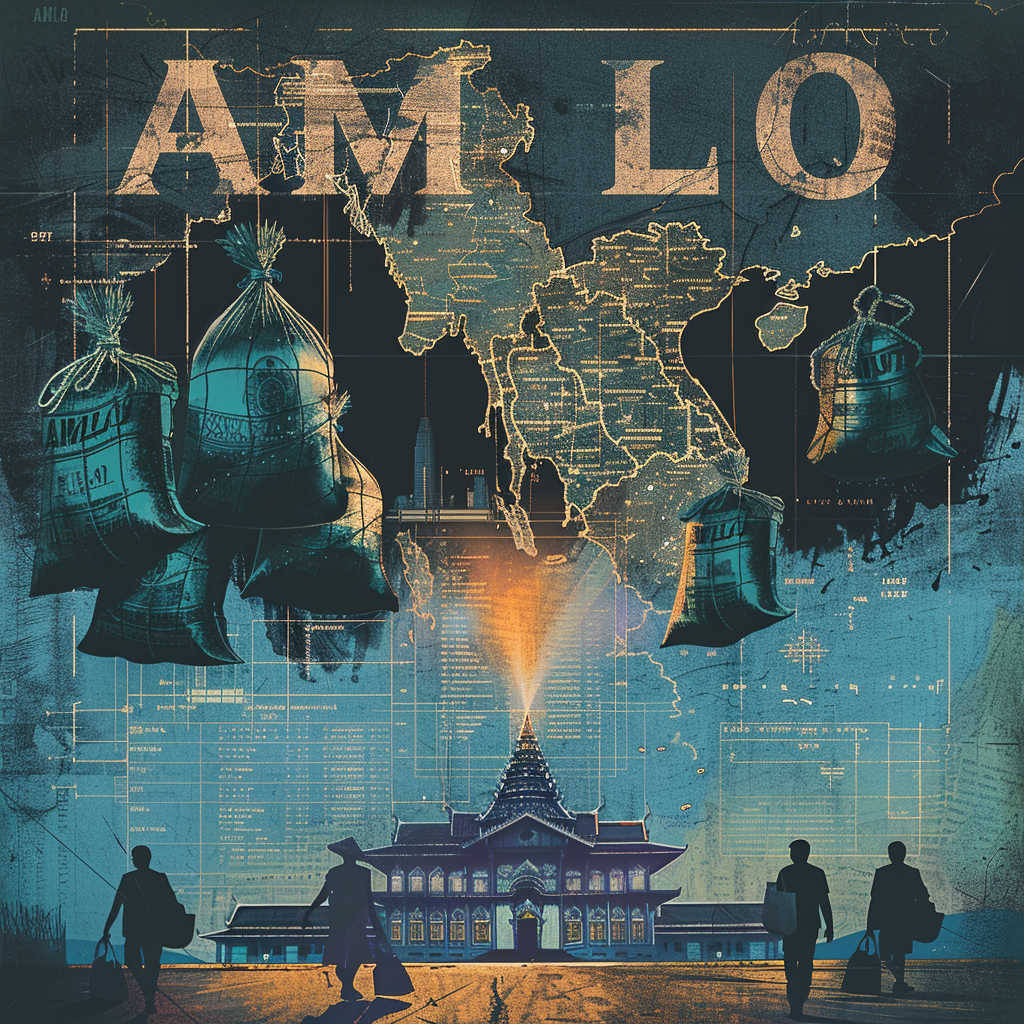
In a daring narrative that sounds more like a plot from a high-stakes thriller than a page from a governmental report, Minister of Digital Economy and Society Prasert Chantararuangthong unfolds the tale of Thailand’s relentless pursuit of call-centre scammers. Since 2021, the government has been on a mission, not just to apprehend the digital-age bandits but to right their wrongs, transforming victims into victors in the process. At the heart of this crusade is the Anti-Money Laundering Office (AMLO), which, armed with regulatory prowess and investigative acumen, has managed to seize a staggering 6 billion baht in cold hard cash. When you add in the value of real estate and other assets, the bounty balloons to an impressive 10 billion baht. But here’s where the plot thickens: this treasure trove isn’t destined to gather dust in the vaults of the state. In an unprecedented move, a portion of these ill-gotten…

Welcome to the dazzling, drenched world of Songkran Festival 2024, Thailand’s most epic water festival, where splashing water isn’t just fun—it’s a nationwide sport! Imagine streets brimming with laughter, vibrant processions, and the joyous chaos of water fights. This year, the festival wasn’t just confined to small pockets; it was a grand spectacle witnessed across all provinces, drawing in a jubilant crowd of both locals and international tourists ready to dive into the fun. As night fell, the festivities only ramped up. From the heart of Bangkok to the far reaches of the provinces, the air buzzed with excitement and the promise of unforgettable nighttime shenanigans. Speaking of Bangkok, the city saw a whopping 19% spike in outbound travel. Seems like everyone was itching to escape the concrete jungle for some festive fun. Yet, amidst this exodus, Bangkok held its title as the data consumption champion. True Corporation, in its…

In a twist that could rival the plot of a prime-time drama, Pol Gen Surachate Hakparn, known colloquially as ‘Big Joke’, found himself navigating the murky waters of a money laundering accusation. The narrative began to unfold on the 2nd of April when Surachate, in a move that was both a spectacle and a statement, made his way to the police station to face charges tied to the laundering of ill-gotten gains. However, our protagonist would not spend his nights behind bars; he was swiftly released on bail, leaving the public to speculate on the next episode of this enthralling saga. The plot thickened as the acting national police chief, taking decisive action that would make any prime-time suspense drama proud, suspended deputy chief Surachate and a quartet of subordinates. This dramatic turn of events was rooted in allegations tied to their involvement with an illicit online gambling network by…

Imagine stepping aboard a sleek, futuristic train, zipping across picturesque landscapes at breathtaking speeds straight out of a science fiction novel. This is no mere daydream for Thailand, as it marches towards realizing the dream of a high-speed railway connecting bustling Bangkok with the charming city of Nakhon Ratchasima. A dazzling display model caught the eyes of many back in 2017, setting hearts racing with anticipation. Yet, like the plot of a gripping thriller, the journey to its completion is filled with suspense, now with a new finish line drawn for 2028. The State Railway of Thailand (SRT) is on the cusp of a significant milestone, with Deputy Transport Minister Surapong Piyachote hinting at the imminent signing of the final two construction contracts. Spanning an impressive 251 kilometers and boasting an investment of 179.4 billion baht, this grand project promises to redefine travel in the Land of Smiles. Out of…

It was a scene rich with political intrigue and hesitant smiles. Picture this: it’s not your usual humdrum Thursday; instead, we’re caught up in a whirlwind of speculation, whispers of change, and the unmistakable air of suspense that only political corridors can brew. At the heart of it all? None other than our Prime Minister, Srettha, who only days before had firmly shut down any whispers that he’d take on the mantle of overseeing the Defence Ministry. But oh, what a difference a day, or in this case, two days, can make. The same question that had once received a categorical ‘no’ was now met with a smile, as enigmatic as the Mona Lisa’s. “At this second, I’m still the prime minister and finance minister,” Srettha declared, his words hanging in the air, a tantalizing hint at possible shifts on the political chessboard. There’s an art to speaking to reporters…